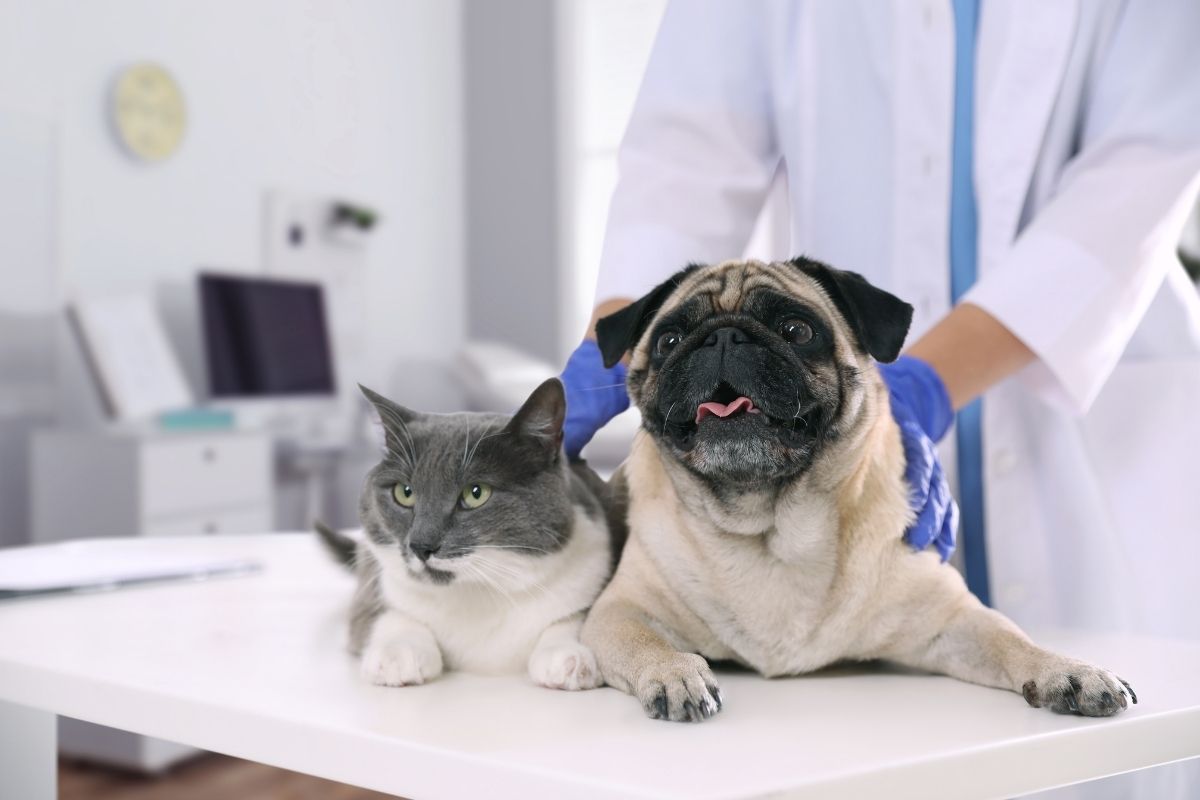
Pets are masters at hiding discomfort. What may seem like a minor change in behavior could actually signal an underlying health issue. That’s why regular veterinary visits are essential not just for routine care, but for identifying hidden problems before they become serious.
For pet owners in Fallston, staying proactive with veterinary care can make a significant difference in your pet’s quality of life. Visiting a trusted animal hospital Fallston ensures your pet receives thorough evaluations and timely care tailored to their needs.
Why Early Detection Matters for Pets
Unlike humans, pets cannot communicate pain or discomfort clearly. Many conditions, such as kidney disease, dental problems, or arthritis, develop gradually and often go unnoticed until they reach an advanced stage.
Regular visits to experienced veterinarians in Fallston to help uncover these hidden issues early. Early detection allows for:
- Faster diagnosis and treatment
- Lower medical costs over time
- Improved recovery outcomes
- Prevention of complications
Catching a problem early can mean the difference between simple management and complex treatment.
What Happens During a Routine Vet Visit?
A routine veterinary visit is more than just a quick checkup. It’s a comprehensive assessment of your pet’s overall health. Your veterinarian carefully evaluates multiple aspects of your pet’s well-being.
These visits typically include:
- Full physical examination
- Weight and body condition assessment
- Heart and lung evaluation
- Skin, coat, and ear inspection
- Oral and dental health check
These detailed evaluations help identify subtle changes that may indicate early-stage health issues.
Common Hidden Health Issues in Pets
Many health problems in pets develop quietly, without obvious symptoms. Regular vet visits are crucial for identifying these conditions before they progress.
Some common hidden issues include:
1. Dental Disease
Plaque and tartar buildup can lead to gum infections and tooth loss. Left untreated, bacteria can enter the bloodstream and affect vital organs.
2. Kidney and Liver Conditions
Organ diseases often show minimal signs in early stages. Routine blood work can detect abnormalities before symptoms appear.
3. Obesity
Weight gain may seem harmless, but it increases the risk of diabetes, joint issues, and heart disease.
4. Parasites
Internal parasites like worms or heartworms may not show visible signs initially but can cause serious health problems over time.
5. Arthritis and Joint Issues
Especially in aging pets, joint problems can develop gradually and may only be noticed once mobility is significantly affected.
The Role of Preventive Care
Preventive care is one of the most effective ways to keep your pet healthy. Rather than waiting for symptoms to appear, preventive care focuses on avoiding illness altogether.
Routine visits to an animal hospital Fallston often include:
- Vaccinations to prevent infectious diseases
- Parasite prevention plans
- Nutritional counseling
- Routine blood tests and screenings
Preventive care helps create a strong foundation for your pet’s long-term health and reduces the risk of unexpected illnesses.
Monitoring Changes Over Time
One of the biggest advantages of regular vet visits is the ability to track your pet’s health over time. Each visit builds on the previous one, creating a detailed medical history.
This allows your veterinarian to:
- Identify patterns or trends
- Detect subtle health changes
- Adjust treatment or care plans
- Provide personalized recommendations
Even small changes in weight, behavior, or physical condition can provide important clues about your pet’s health.
Behavioral Changes: A Hidden Warning Sign
Sometimes, the first sign of a health issue is a change in behavior. Pets may become less active, lose interest in food, or display unusual habits.
Regular visits to veterinarians help determine whether these changes are related to:
- Pain or discomfort
- Underlying illness
- Stress or environmental factors
Addressing these concerns early ensures your pet receives the care they need before the issue worsens.
The Importance of Senior Pet Checkups
As pets age, they become more susceptible to chronic conditions. Senior pets often require more frequent checkups to monitor their health closely.
Routine veterinary care for older pets includes:
- Advanced diagnostic testing
- Joint and mobility assessments
- Organ function monitoring
- Adjustments to diet and medications
Early detection is especially important for senior pets, as it helps manage conditions effectively and improves their quality of life.
Building a Strong Relationship with Your Veterinarian
Consistent visits to a trusted animal hospital fallston help build a strong relationship between you, your pet, and your veterinary team. This familiarity allows your veterinarian to better understand your pet’s unique needs.
A long-term relationship ensures:
- More accurate diagnoses
- Personalized treatment plans
- Better communication and trust
- Faster response during emergencies
Having a reliable veterinary partner gives you peace of mind and ensures your pet receives the best care possible.
Take a Proactive Approach to Your Pet’s Health
Regular veterinary visits are not just about maintaining health they are about preventing problems and ensuring your pet lives a long, happy life. Early detection, preventive care, and consistent monitoring all work together to keep your pet in the best possible condition.
If it’s been a while since your pet’s last checkup, now is the time to take action and schedule an appointment today to stay ahead of potential health concerns.
FAQs
1. How often should my pet visit the veterinarian?
Most pets should visit at least once a year. Senior pets or those with health conditions may require more frequent visits.
2. What are hidden health issues in pets?
Hidden health issues are conditions that develop without obvious symptoms, such as dental disease, organ problems, or parasites.
3. Why is early detection important for pets?
Early detection allows for timely treatment, preventing minor issues from becoming serious and improving overall outcomes.
4. What tests are done during routine vet visits?
Routine visits may include physical exams, blood tests, dental checks, and parasite screenings.
5. Can behavior changes indicate health problems?
Yes, changes in behavior such as reduced activity or appetite can signal underlying health issues.
6. How do regular vet visits benefit senior pets?
They help monitor age-related conditions, manage chronic illnesses, and ensure a better quality of life.