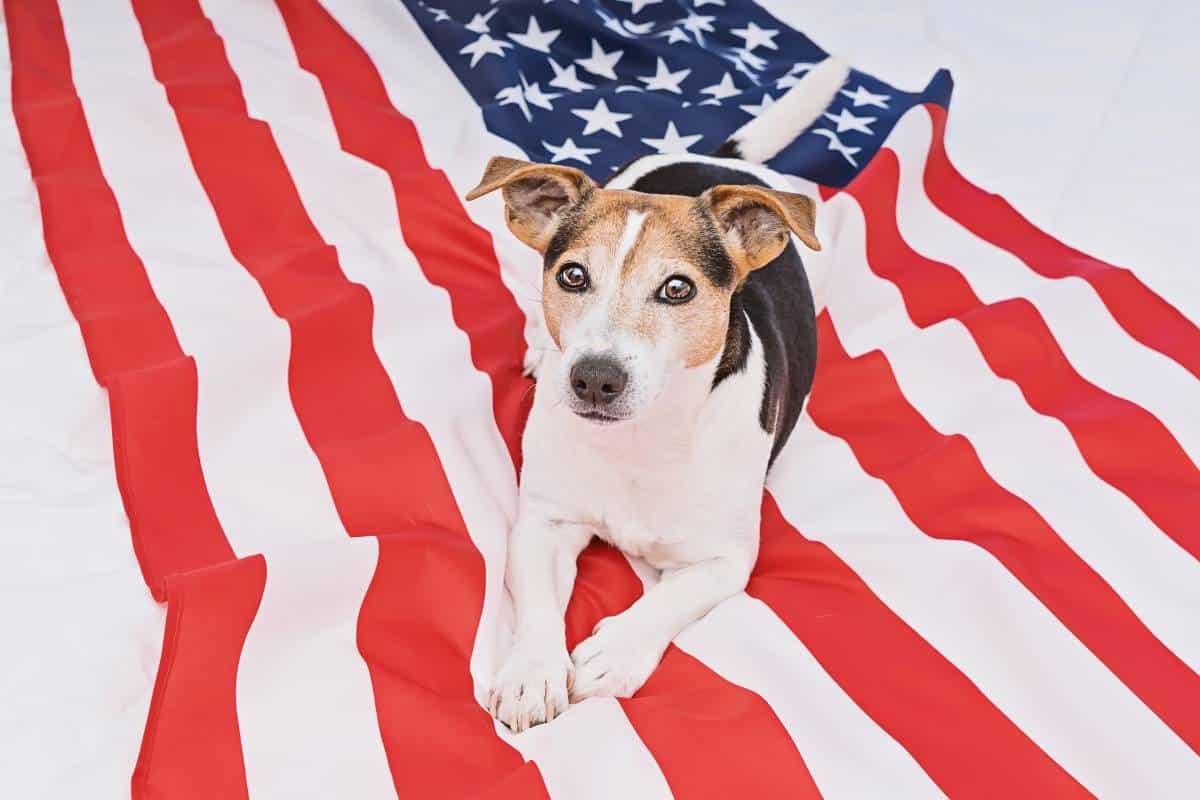
The Fourth of July is a time for family gatherings, outdoor celebrations, and spectacular fireworks displays. While these festivities are exciting for people, they can be overwhelming for pets. Dogs and cats experience the world differently than humans, and the loud booms, flashing lights, unfamiliar visitors, and changes in routine can create significant stress.
Understanding why fireworks trigger anxiety in pets can help you take proactive steps to protect their emotional and physical well-being. With thoughtful preparation, you can help your companion feel safer throughout the holiday season. If your pet experiences severe anxiety or unusual behavior, seeking veterinary care in Fallston can help ensure they receive the support they need.
Why Are Pets So Sensitive to Fireworks?
Dogs and cats have much sharper hearing than humans. Sounds that may seem manageable to us can feel incredibly loud and frightening to them. Fireworks create sudden explosions, vibrations, flashes of light, and unfamiliar smells—all of which can trigger a pet’s natural fight-or-flight response.
Unlike thunderstorms, which often build gradually, fireworks begin unexpectedly and continue unpredictably. Since pets cannot understand what is causing the noise, they may interpret it as danger.
Even pets that are usually calm and confident may become anxious during fireworks displays.
Common Signs of Firework Anxiety in Dogs and Cats
Recognizing the signs of anxiety early allows you to respond before your pet becomes overwhelmed.
Dogs May Show:
- Excessive panting
- Trembling or shaking
- Hiding behind furniture
- Pacing around the house
- Barking excessively
- Whining
- Restlessness
- Trying to escape through doors or fences
- Drooling more than usual
- Refusing food or water
Cats May Show:
- Hiding for long periods
- Dilated pupils
- Flattened ears
- Sudden aggression
- Excessive grooming
- Loss of appetite
- Refusing to come out from hiding
- Attempting to flee
Every pet responds differently. Some show only mild nervousness, while others experience severe fear that affects their overall well-being.
Why Fireworks Can Be More Than Just Scary
Anxiety doesn’t simply disappear once the fireworks stop. For some pets, stress can linger for hours or even days.
Extreme fear may lead to:
- Escape attempts
- Self-injury
- Loss of appetite
- Digestive upset
- Increased heart rate
- Physical exhaustion
- Destructive behavior inside the home
These situations can quickly become serious, making prompt veterinary care in Fallston an important resource when your pet struggles to recover after the holiday.
How to Prepare Your Pet Before Fireworks Begin
Preparation is one of the most effective ways to reduce anxiety.
Create a Safe Space
Choose a quiet room inside your home where your pet already feels comfortable. Include:
- Their favorite bed
- Familiar blankets
- Favorite toys
- Fresh water
- A comfortable hiding place for cats
Keep doors and windows closed to reduce outside noise.
Exercise Dogs Earlier in the Day
A long walk or active play session before fireworks begin can help burn excess energy and encourage relaxation later in the evening.
Avoid taking walks once fireworks have started, as frightened dogs may panic and try to run away.
Keep Cats Indoors
Even cats that normally spend time outdoors should remain inside before sunset. Fireworks may cause them to bolt unexpectedly and become lost.
Reduce Outside Noise
Many pets feel calmer when outside sounds are partially blocked.
You can:
- Turn on a television
- Play soft music
- Use a fan or white noise machine
- Close curtains or blinds to minimize flashing lights
These simple adjustments help create a more predictable indoor environment.
Stay Calm Around Your Pet
Pets often take cues from their owners.
If you become anxious every time fireworks begin, your pet may interpret the situation as dangerous. Instead:
- Speak softly
- Maintain your normal routine
- Offer gentle reassurance
- Allow your pet to stay close if they seek comfort
Avoid forcing fearful pets out of hiding. Give them space while letting them know they are safe.
Keep Identification Information Current
Unfortunately, the Fourth of July is one of the busiest times of year for lost pets.
Before holiday celebrations:
- Check that collars fit properly.
- Make sure ID tags are easy to read.
- Verify that contact information is current.
These precautions can significantly improve the chances of a safe reunion if a frightened pet escapes.
Avoid Bringing Pets to Fireworks Displays
Many owners assume their pets will eventually get used to fireworks if exposed repeatedly.
In reality, taking pets directly to crowded celebrations often increases stress rather than reducing it.
Large crowds, unfamiliar people, loud explosions, bright lights, and unfamiliar smells create an environment that can easily overwhelm even well-socialized animals.
The safest choice is usually keeping dogs and cats comfortably indoors.
Watch for Changes After the Celebration
Some pets appear calm during fireworks but develop symptoms later.
Continue monitoring your pet for:
- Poor appetite
- Vomiting
- Diarrhea
- Excessive hiding
- Difficulty settling down
- Ongoing pacing
- Changes in behavior
Persistent symptoms should not be ignored, especially if they continue into the following day.
When Firework Anxiety Requires Veterinary Attention
While mild nervousness is common, some situations require professional evaluation.
Seek help if your pet:
- Cannot settle down for several hours
- Refuses food or water
- Injures themselves while trying to escape
- Experiences continuous trembling
- Shows signs of severe panic
- Becomes unusually aggressive
- Has difficulty breathing
- Experiences repeated vomiting or diarrhea associated with stress
These symptoms may indicate that your pet needs a thorough examination to rule out underlying medical concerns and receive appropriate care.
Helping Pets Feel Secure During Future Holidays
Managing firework anxiety is an ongoing process rather than a one-time solution.
Building positive routines throughout the year can help pets develop greater confidence during stressful situations. Maintaining a predictable daily schedule, providing regular mental enrichment, and recognizing early signs of anxiety all contribute to your pet’s overall emotional health.
Planning ahead before holidays allows you to respond calmly and minimize unnecessary stress for your companion.
If you notice your pet struggling during holiday celebrations, don’t wait for symptoms to worsen. Schedule for an appointment if you have concerns about your pet’s health or behavior.
Compassionate Veterinary Support for Your Pet
Fireworks may only last a few hours, but the effects of anxiety can linger much longer for some pets. Understanding the causes of fear, recognizing warning signs, and preparing your home can make a meaningful difference in helping your dog or cat stay comfortable during holiday celebrations.
If your pet experiences severe anxiety or unusual symptoms around fireworks, the experienced team at Fallston Veterinary Clinic is here to provide compassionate care. Whether your companion needs a behavioral evaluation or comprehensive veterinary care in Fallston, our veterinary clinic is committed to helping pets stay healthy, comfortable, and safe. If you’ve been searching for an animal hospital near you, our dedicated team is ready to support your pet’s health throughout every season.
Frequently Asked Questions
1. Why do fireworks scare pets more than thunderstorms?
Ans: Fireworks are sudden, unpredictable, and often much louder than natural storms. The combination of loud noises, vibrations, flashing lights, and unfamiliar smells can make pets feel threatened.
2. Can cats experience firework anxiety too?
Ans: Yes. Cats often respond by hiding, refusing food, becoming unusually quiet, or displaying defensive behaviors. Some may remain hidden long after the fireworks have ended.
3. Should I comfort my pet during fireworks?
Ans: Yes. Calm reassurance is helpful. Allow your pet to stay close if they seek comfort, but avoid forcing interaction if they prefer to hide.
4. Is it safe to take my dog to a fireworks show?
Ans: No. Fireworks displays expose pets to loud noises, crowds, and unfamiliar surroundings, increasing the risk of panic and escape.
5. How can I make my home feel safer during fireworks?
Ans: Prepare a quiet room with familiar bedding, toys, fresh water, and closed curtains. Soft music or white noise can also help reduce outside sounds.
6. When should I seek veterinary care for firework-related anxiety?
Ans: If your pet experiences prolonged panic, self-injury, repeated vomiting, diarrhea, breathing difficulties, refuses food or water, or displays significant behavioral changes after fireworks, they should be evaluated by a veterinary professional.