

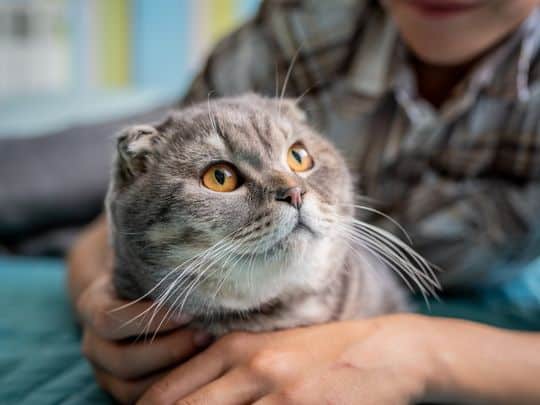
Have you ever heard your cat make a tiny chirp while staring out the window? This unusual sound can be surprising, especially when it happens repeatedly while your cat watches birds, squirrels, or other moving objects. Unlike the familiar meow or purr, a chirp is usually short, high-pitched, and sometimes accompanied by quick jaw movements.
Cat chirping is generally a normal part of feline communication. However, understanding the situation surrounding the sound can help you determine what your cat is trying to express. Cats may chirp when they are excited, curious, focused, playful, or responding to something that activates their natural hunting instincts.
Learning to recognize these vocalizations can give you valuable insight into your cat’s behavior. This guide explains why cats chirp, what different situations may mean, and when an unusual vocalization deserves professional attention.
What Is a Cat Chirping Sound?
A cat chirping sound is a brief, repetitive vocalization that may resemble a bird’s tweet, trill, or soft chatter. Some cats make one or two chirps, while others produce a rapid series of sounds.
Chirping is different from ordinary meowing. A meow is often directed toward people and may communicate hunger, attention, or another need. Chirping can occur during highly focused moments, especially when a cat is watching something interesting.
You may notice your cat:
- Chirping while looking through a window
- Making short sounds during play
- Trilling when approaching you
- Chattering while watching birds
- Chirping while following a moving toy
- Making the sound when excited or curious
The meaning is not always identical from one cat to another. Your cat’s body language, surroundings, and behavior can provide important clues.
Why Do Cats Chirp?
So, why do cats chirp? There is no single explanation for every cat. Chirping is associated with several forms of feline behavior and communication.
Excitement and Curiosity
Cats are naturally curious animals. A moving bird outside the window, an unfamiliar sound, or a new toy can immediately capture their attention.
When a cat becomes highly interested in something, chirping may accompany that excitement. You might notice wide eyes, forward-facing ears, a focused gaze, and an alert posture.
In this situation, the sound is usually harmless. It can simply be part of how your cat responds to something stimulating.
Hunting Instincts
One of the most recognizable situations involving cat chirping occurs when a cat watches potential prey. Indoor cats may chirp at birds, squirrels, insects, or other animals they see through a window.
This behavior is connected to your cat’s predatory instincts. Even though a house cat may never need to hunt for food, its natural hunting behaviors remain deeply ingrained.
A cat may crouch, stare intensely, flick its tail, and make rapid chirping or chattering sounds. Quick movements of the jaw may also accompany the vocalization.
Researchers and veterinary behavior experts have proposed several explanations for this behavior. It may reflect intense excitement, frustration at being unable to reach the prey, or a vocal response associated with predatory behavior.
Communication With People
Cats do not communicate only through body language. Their vocalizations can also become part of their relationship with humans.
Some cats chirp when their owners enter a room, approach them, or begin interacting with them. A chirp may function as a greeting or an invitation to engage.
If your cat chirps when you speak to them or walk toward them, pay attention to the rest of their body language. A relaxed posture, upright tail, and forward ears generally suggest a positive interaction.
Playfulness
Play can bring out many natural feline behaviors. A cat chasing a feather toy, batting a toy mouse, or running after a moving object may chirp during the activity.
Play mimics aspects of hunting. Your cat stalks, watches, chases, pounces, and captures an object. Chirping may occur during one or more of these stages.
Providing appropriate interactive toys can help satisfy these natural behaviors while giving your cat physical and mental stimulation.
Why Do Cats Chirp at Birds?
If your cat regularly chirps at birds outside the window, you may wonder why this particular situation triggers such a strong response.
Birds move quickly and unpredictably, making them especially interesting to cats. Their movement can activate the same visual attention that cats use when tracking prey.
Your cat may sit near a window and:
- Stare intensely at the bird
- Move its head as the bird flies
- Flick or twitch its tail
- Make repeated chirping noises
- Move its jaw rapidly
- Crouch or prepare to pounce
This does not necessarily mean your cat is distressed. Often, the behavior reflects intense concentration and excitement.
However, the frustration of being unable to reach an animal outside may also contribute. Watching prey through a closed window provides stimulation but prevents the cat from completing the chase.
What Does My Cat’s Chirping Mean?
Understanding what cat chirps mean requires looking beyond the sound itself. The same vocalization can have different meanings depending on the circumstances.
Consider these questions when your cat chirps:
What Is Happening Around Your Cat?
Is your cat watching a bird, playing with a toy, greeting you, or simply walking around the house? The surrounding activity can provide an important clue.
What Does Your Cat’s Body Language Show?
Body language can help distinguish excitement from fear or discomfort. A relaxed cat may have a loose posture and normal movement. A frightened or uncomfortable cat may flatten its ears, hide, crouch, or become unusually tense.
Has the Behavior Always Been Normal for Your Cat?
Every cat has its own personality and communication style. Some cats are naturally vocal, while others rarely make sounds beyond an occasional meow.
If chirping has always been part of your cat’s normal behavior, it is generally less concerning than a sudden and persistent change in vocalization.
Why Does My Cat Chirp Instead of Meow?
Some cats simply prefer chirping, trilling, or other vocalizations over traditional meowing in certain situations.
Cats have individual personalities and can develop different ways of communicating with their families. One cat may greet you with a meow, while another may make a short chirp or trill.
Kittens can also produce chirping and trilling sounds as they interact with their mother and surroundings. As cats mature, these vocalizations may remain part of their individual communication patterns.
Therefore, a cat that chirps instead of meowing is not necessarily experiencing a problem. The important factor is whether the behavior fits the cat’s usual communication pattern and overall health.
How to Respond When Your Cat Chirps
If your cat chirps during play or while watching wildlife, you can respond in ways that provide appropriate stimulation.
Provide Interactive Play
Use toys that allow your cat to stalk, chase, and pounce. Wand toys, toy mice, and other interactive options can encourage natural behaviors.
Create Safe Environmental Enrichment
A secure window perch can give an indoor cat an interesting place to observe the environment. Watching birds and outdoor activity can provide mental stimulation.
Pay Attention to Their Signals
Do not assume every chirp means your cat wants to be touched. Watch their posture and behavior before reaching toward them.
If your cat approaches you with relaxed body language, gentle interaction may be welcome. If they appear tense or want distance, allow them some space.
Maintain a Predictable Routine
Cats often feel more comfortable when their daily routines are consistent. Regular meals, play sessions, rest periods, and interaction can support a stable environment.
When Should You Be Concerned About Cat Chirping?
In most cases, chirping is a normal feline behavior. However, a sudden change in vocalization can deserve attention, particularly when it occurs alongside other unusual signs.
Consider seeking veterinary advice if your cat suddenly begins making unfamiliar or persistent vocalizations and also shows changes such as:
- Reduced appetite
- Hiding more than usual
- Changes in activity
- Restlessness
- Difficulty moving normally
- Changes in litter box habits
- Signs of discomfort
- Excessive vocalization at unusual times
- Changes in grooming behavior
Cats can be very good at hiding signs of illness or discomfort. A change in normal behavior may therefore be worth discussing with a veterinarian, especially when several changes occur together.
If you are unsure whether your cat’s vocal behavior is normal, contact our animal hospital so a veterinary professional can help assess the broader picture.
How Veterinary Care Can Help Identify Unusual Behavior
A veterinarian does more than evaluate physical symptoms. Changes in behavior and vocalization can also provide useful information during a wellness assessment.
A veterinary professional may ask when the chirping started, how frequently it occurs, what triggers it, and whether your cat displays any other behavioral changes. A physical examination may also help identify medical concerns that could contribute to altered behavior.
For cat owners looking for a veterinary clinic in Fallston, professional guidance can provide reassurance when a familiar behavior changes unexpectedly.
Similarly, vets in Fallston can help pet owners distinguish normal feline communication from behaviors that may warrant further evaluation. Keeping notes or recording a short video of the behavior can also be useful when explaining what you have observed.
If you are searching for a veterinary hospital near you, choose a veterinary team that can evaluate your cat’s overall health while considering behavioral changes in context.
Understanding Your Cat’s Unique Language
A cat chirping sound can be one of the most entertaining and intriguing parts of feline behavior. Whether your cat chirps at birds, toys, people, or unfamiliar sights, the sound often reflects curiosity, excitement, communication, or natural hunting instincts.
The best way to understand your cat is to consider the entire situation rather than focusing on the sound alone. Notice their body language, environment, routine, and other behaviors. These details can help you understand what your feline companion may be trying to communicate.
When a familiar behavior changes suddenly or appears alongside other concerning signs, professional guidance is appropriate. Fallston Veterinary Clinic provides comprehensive veterinary care, including diagnostic services and other services designed to support pets throughout their lives.
By paying attention to your cat’s unique vocal language and knowing when changes deserve attention, you can better understand your feline companion and support their overall well-being.
Frequently Asked Questions
1. Why does my cat chirp at birds?
Ans: Cats commonly chirp at birds because the movement of potential prey activates their natural hunting instincts. Excitement, intense focus, and frustration from being unable to reach the bird may all contribute to the behavior.
2. Is cat chirping normal?
Ans: Yes. Chirping is generally a normal feline vocalization. Many healthy cats chirp during play, while watching wildlife, or when interacting with their owners.
3. Why does my cat chirp when looking at me?
Ans: Your cat may chirp as a greeting or an invitation for interaction. If the sound occurs with relaxed body language, an upright tail, or an approach toward you, it may be a friendly form of communication.
4. Why does my cat chirp during play?
Ans: Play activates many of the same instincts involved in hunting. A cat may chirp while stalking, chasing, or pouncing on a toy because the activity creates excitement and intense concentration.
5. Should I worry if my cat suddenly starts chirping?
Ans: A sudden change does not automatically mean something is wrong. However, if new chirping occurs with appetite changes, hiding, discomfort, altered activity, or other unusual behaviors, veterinary advice can help determine whether further evaluation is appropriate.
6. Can kittens chirp too?
Ans: Yes. Kittens can make chirping and trilling sounds as they communicate and interact with their environment. Vocal behavior varies between individual cats, so some kittens may be much more vocal than others.