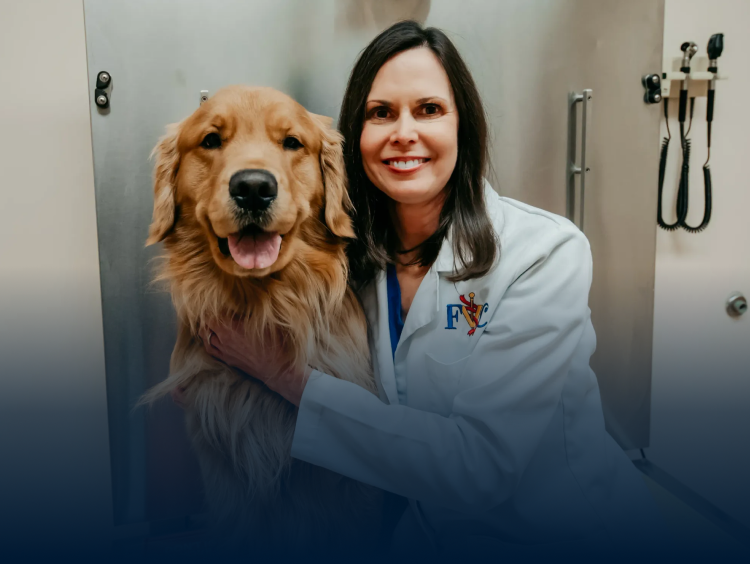

As dogs grow older, their nutritional and lifestyle needs change. Proper weight management becomes an important part of senior pet care in Fallston, helping older dogs maintain mobility, comfort, and overall well-being. Understanding how aging affects metabolism, activity levels, and body condition can help pet parents make better daily choices for their senior companions.
Why Weight Management Matters for Senior Dogs
Aging naturally brings changes to a dog’s body. Senior dogs often become less active than they were during their younger years, while their metabolism may slow down. If food portions remain the same despite decreased activity, extra calories can gradually lead to weight gain.
Carrying excess weight can place additional stress on a senior dog’s joints and muscles. It may also make everyday activities such as walking, climbing stairs, or getting up from a resting position more difficult. Maintaining an appropriate body weight can help reduce unnecessary strain and support a better quality of life.
For pet parents looking for senior pet care near you, discussing weight management with a veterinary professional can be a valuable part of maintaining an older dog’s health.
How Aging Can Affect a Dog’s Weight
Several age-related changes can influence a dog’s weight. One of the most common is reduced physical activity. A younger dog may spend much of the day running, playing, and exploring, while a senior dog may prefer shorter walks and longer periods of rest.
Muscle mass can also change with age. Older dogs may gradually lose lean muscle while gaining body fat, particularly when their diet and activity level are not adjusted. Because muscle weighs differently from fat, simply relying on the number on a scale may not provide a complete picture of a senior dog’s body condition.
Regular evaluations at a veterinary clinic in Fallston can help identify gradual changes before they become more noticeable at home.
Recognizing Signs of Excess Weight in an Older Dog
Pet parents can monitor their dog’s body condition between veterinary visits. When viewed from above, a healthy dog generally has a visible waist behind the ribs. From the side, the abdomen should typically tuck upward rather than forming a straight or rounded line from the chest to the hips.
It is also useful to gently feel the ribs. You should generally be able to feel them without pressing through a thick layer of fat. However, every dog is different based on breed, size, age, and body structure.
If you are unsure whether your senior dog is carrying an appropriate amount of weight, a veterinary professional can assess body condition and help determine a healthy target.
Adjusting Food Portions as Dogs Get Older
One of the simplest ways to support healthy weight management is to review daily food portions. Senior dogs may require fewer calories as their activity level decreases. Continuing to feed the same quantity they received when they were younger can contribute to gradual weight gain.
Treats should also be included when considering daily calorie intake. Small treats can add up, especially when offered frequently throughout the day.
Rather than making significant dietary changes without guidance, pet parents can discuss their dog’s individual needs with a veterinary professional. A veterinarian can consider factors such as age, size, activity level, current body condition, and existing nutritional needs when recommending an appropriate feeding approach.
Keeping Senior Dogs Active Safely
Weight control is not only about food. Regular, appropriate activity can help senior dogs maintain muscle strength, flexibility, and healthy body condition.
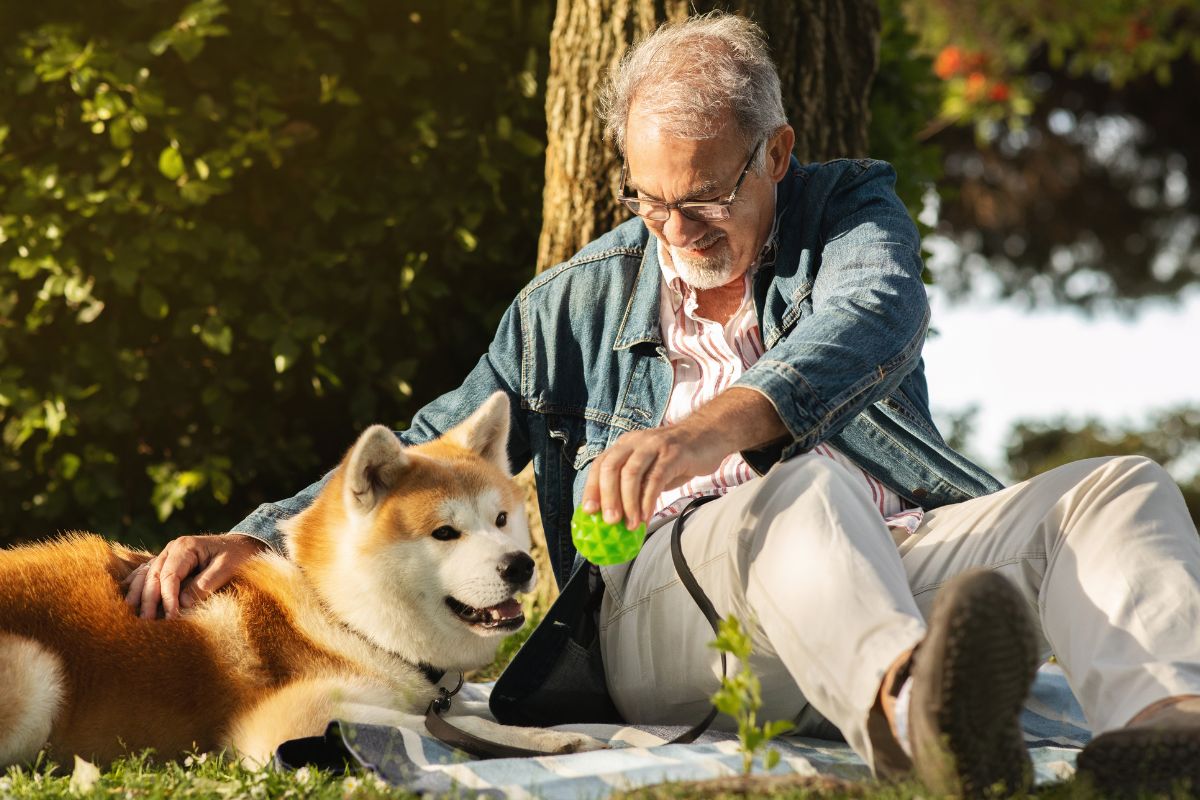
Older dogs may benefit from shorter, consistent walks instead of long or strenuous outings. Gentle play and activities suited to their abilities can also provide physical and mental stimulation.
The goal is consistency rather than intensity. Pet parents should pay attention to their dog’s comfort and adjust activities according to age and individual ability. A veterinary professional can also provide recommendations for an appropriate activity routine.
This balanced approach is an important part of senior pet care in Fallston, particularly as dogs transition into their later years.
Why Regular Weight Checks Are Helpful
Weight changes in senior dogs can happen gradually, making them difficult for pet parents to notice. Regular veterinary visits provide an opportunity to track weight and body condition over time.
A veterinary team can compare current measurements with previous visits and determine whether a dog is maintaining, gaining, or losing weight. This ongoing monitoring can help pet parents make timely adjustments to food portions, treats, and daily activity.
For families searching for senior pet care near you, choosing a veterinary practice that can monitor your dog’s changing needs can make long-term weight management easier.
Supporting a Healthy Weight at Home
Pet parents can make several simple changes to support healthy weight management. Measure meals instead of estimating portions, keep treats moderate, and encourage age-appropriate daily activity. It can also help to monitor your dog’s weight and body shape regularly.
Avoid making sudden or restrictive diet changes without professional guidance. Senior dogs have individual nutritional requirements, and an approach that works for one dog may not be appropriate for another.
Most importantly, weight management should focus on overall health rather than appearance alone. The goal is to help an older dog stay comfortable, mobile, and able to enjoy daily life.
Supporting Your Senior Dog’s Health in Fallston
Healthy weight management can make a meaningful difference in a dog’s comfort and daily quality of life as they age. By combining appropriate nutrition, regular activity, and ongoing professional monitoring, pet parents can help their senior dogs maintain a healthy body condition for as long as possible.
If you are looking for a veterinary clinic in Fallston to support your older dog’s changing needs, Fallston Veterinary Clinic is here to help. Schedule an appointment with our animal hospital to discuss your senior dog’s weight, nutrition, activity level, and overall wellness needs.
Frequently Asked Questions
1. Why do senior dogs gain weight more easily?
Ans: Senior dogs often become less active as they age, which can reduce the number of calories they burn. Changes in metabolism and muscle mass can also affect how their bodies use energy.
2. How can I tell if my senior dog is overweight?
Ans: Look for a visible waist when viewing your dog from above and gently feel for the ribs. Because ideal body condition varies between dogs, a veterinary assessment is the best way to determine whether your dog’s weight is appropriate.
3. Should I reduce my senior dog’s food as they age?
Ans: Some senior dogs may need fewer calories as their activity decreases, but the appropriate amount depends on the individual dog. Discuss portion sizes and nutritional needs with your veterinarian before making significant changes.
4. Can treats contribute to weight gain in senior dogs?
Ans: Yes. Treats contain calories and can contribute to weight gain when given frequently or in large quantities. Keep treats moderate and consider them part of your dog’s overall daily calorie intake.
5. What type of exercise is appropriate for an older dog?
Ans: Many senior dogs benefit from gentle, consistent activities such as shorter walks and low-impact play. The right routine depends on the dog’s age, fitness level, and individual abilities.
6. When should I have my senior dog’s weight evaluated?
Ans: Regular veterinary visits help monitor changes in weight and body condition. If you notice a gradual increase or decrease in weight, discuss it with your veterinary team.