

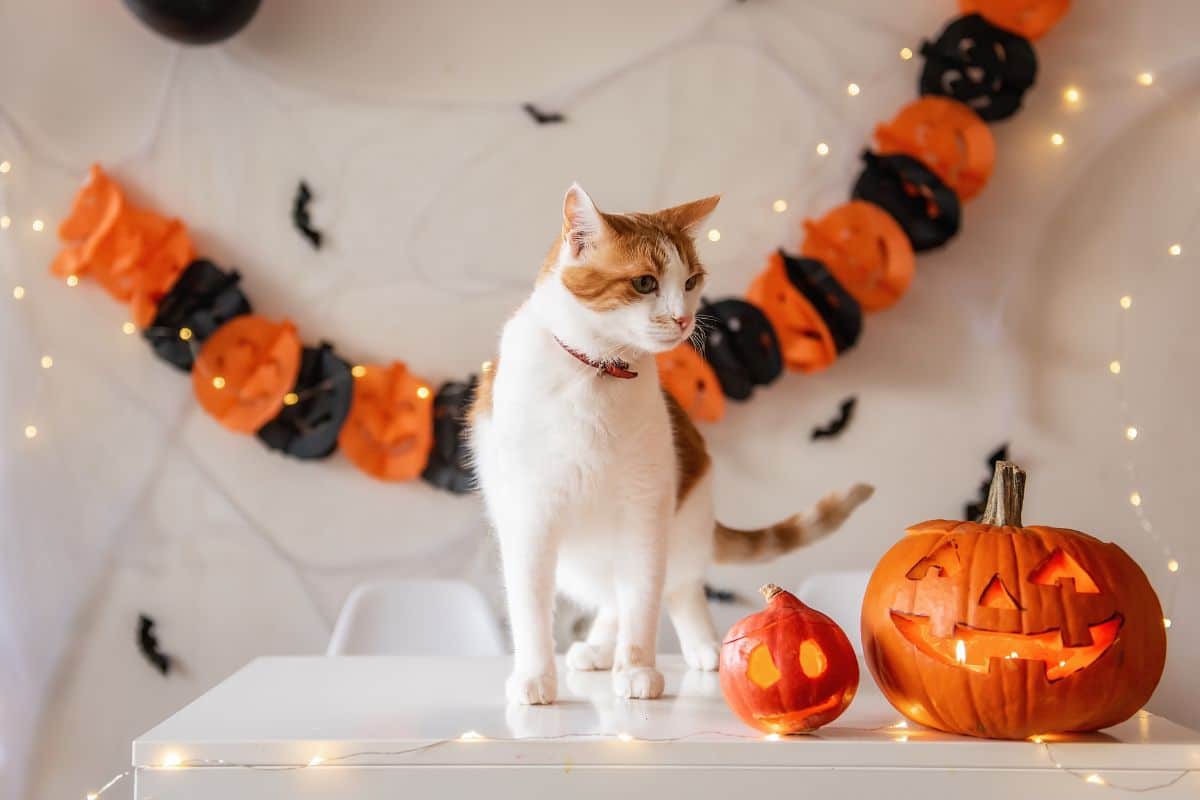
Halloween brings costumes, decorations, trick-or-treaters, and unfamiliar sounds to neighborhoods throughout Fallston. While families enjoy the celebrations, these changes can create unexpected dangers for cats.
Indoor cats may become frightened by frequent visitors, while outdoor cats face increased exposure to traffic, unfamiliar people, and potentially dangerous decorations.
Keeping cats indoors during Halloween activities, securing doors and windows, and removing hazardous items can reduce the risk of injuries, poisoning, and accidental escapes.
Understanding the different risks indoor and outdoor cats face helps pet owners prepare for a safer holiday.
Why Can Halloween Be Dangerous for Cats?
Cats often depend on familiar surroundings and predictable routines. Halloween introduces unusual noises, unfamiliar visitors, moving decorations, and frequent door openings.
Some cats hide, while others may try to escape.
Common Halloween hazards include:
- Chocolate and candy containing harmful ingredients
- Decorative strings and artificial spiderwebs
- Candles and electrical decorations
- Open doors during trick-or-treating
- Unfamiliar animals and increased traffic
- Costumes that restrict movement or cause distress
Although every cat responds differently, reducing exposure to these hazards can help prevent avoidable emergencies.
What Halloween Risks Should Indoor Cat Owners Watch For?
Indoor cats may seem protected from outdoor dangers, but several Halloween activities can create problems inside the home.
1. Open Doors and Accidental Escapes
Frequent doorbell ringing and visitors entering the house increase the chances of an indoor cat slipping outside.
A frightened cat may hide under parked vehicles, enter unfamiliar yards, or become difficult to locate.
Before trick-or-treating begins, place your cat in a quiet room with food, water, a litter box, and comfortable hiding spaces.
2. Dangerous Halloween Decorations
Cats may chew decorative ribbons, artificial spiderwebs, or hanging strings.
Swallowed string-like materials can become trapped in the digestive tract and cause serious intestinal injuries.
Keep these decorations beyond your cat’s reach. Never pull string from your cat’s mouth or rectum if ingestion is suspected.
3. Halloween Candy and Food Hazards
Chocolate contains substances that can be toxic to cats. Candy wrappers may also cause choking or digestive obstruction.
Although cats are generally less attracted to sweet foods than dogs, accidental ingestion remains possible.
Keep candy bowls and discarded wrappers inside closed containers.
What Halloween Risks Are Greater for Outdoor Cats?
Cats that normally spend time outdoors face additional concerns during Halloween celebrations.
Increased Traffic and Unfamiliar Activity
Trick-or-treaters, parked vehicles, and increased neighborhood activity can make familiar outdoor spaces unpredictable.
Cats may become startled and run into the road or hide in unfamiliar places.
Keeping outdoor cats inside before evening activities begin can reduce these risks.
Encounters With Unfamiliar People and Animals
Outdoor cats may encounter unfamiliar visitors, dogs, or other animals.
Fearful interactions can lead to scratches, bites, or injuries as they try to escape.
Cats returning home with wounds, limping, or unusual behavior should see a veterinarian.
Exposure to Outdoor Decorations
Illuminated pumpkins, electrical cords, and unsecured decorations can cause burns, mouth injuries, or accidental entanglement.
Check your yard for hazards before letting cats outside.
How Can You Prepare Your Cat for Halloween Night?
Preparing a few days before October 31 allows your cat time to adjust.
Consider these precautions:
- Bring outdoor cats inside before Halloween activities.
- Provide a quiet room away from visitors.
- Keep identification and registration information updated.
- Use battery-operated candles with secured battery compartments.
- Store candy and decorations out of reach.
- Maintain regular feeding and litter box routines.
A vet near you can also provide guidance if your cat develops significant anxiety around unfamiliar noises or visitors.
Call our animal hospital now if your cat shows concerning symptoms after encountering Halloween hazards.
When Should a Cat Receive Veterinary Attention?
Mild hiding or temporary nervousness may improve once the environment becomes quiet.
However, persistent appetite loss, repeated vomiting, limping, or unusual withdrawal warrants veterinary evaluation.
Seek emergency attention for breathing difficulties, collapse, severe bleeding, suspected poisoning, or swallowing string-like decorations.
Do not induce vomiting or administer human medication without veterinary instructions.
Protect Your Cat With Veterinary Guidance This Halloween
A safer Halloween begins with preparing your home, keeping cats away from dangerous decorations, and limiting outdoor exposure during busy celebrations.
At Fallston Veterinary Clinic, we support cat owners in Fallston, Bel Air, Forest Hill, and surrounding Harford County communities with preventive examinations, kitten wellness services, and diagnostic care.
If your cat develops concerning symptoms, our veterinarian in Fallston can help identify potential health problems and determine the appropriate care.
Call our hospital to schedule a veterinary consultation or discuss your cat’s health concerns. For suspected poisoning or life-threatening injuries, seek emergency veterinary care immediately rather than waiting for a routine appointment.
Frequently Asked Questions
1. Should Outdoor Cats Stay Inside on Halloween?
Ans: Yes. Keeping outdoor cats indoors during Halloween can reduce exposure to traffic, unfamiliar people, and frightening noises. Bring them inside before evening celebrations begin and provide a comfortable, quiet space.
2. Can Halloween Decorations Make Cats Sick?
Ans: Yes. Swallowed ribbons, artificial spiderwebs, and small decorative objects can cause digestive injuries or intestinal blockages. Glow stick contents may also irritate a cat’s mouth. Seek veterinary guidance if exposure occurs.
3. How Can I Calm My Cat During Trick-or-Treating?
Ans: Provide a quiet room with familiar bedding, water, food, and a litter box. Keep the door closed and minimize loud noises. Avoid forcing interactions with visitors or unfamiliar decorations.
4. What Should I Do if My Indoor Cat Escapes on Halloween?
Ans: Search nearby hiding places and notify local shelters and veterinary clinics. Share a recent photograph and check identification registration details. Frightened indoor cats may remain hidden close to home.
5. When Should I Seek Veterinary Care After Halloween?
Ans: Arrange an examination if your cat develops persistent vomiting, reduced appetite, limping, or unusual behavior. Suspected poisoning, breathing difficulties, collapse, or severe injuries require emergency attention.
6. Are Halloween Costumes Safe for Cats?
Ans: Some cats tolerate lightweight costumes, but others become distressed. Avoid clothing that restricts movement, breathing, or vision. Remove the costume immediately if your cat freezes, struggles, or attempts to escape.
