A torn nail or a raw, bleeding paw pad can turn an ordinary walk into an urgent problem. Dogs run, dig, and explore without noticing sharp gravel, hot pavement, or a snagged nail until the damage is already done. A torn nail exposes sensitive tissue and can bleed for several minutes. A paw pad injury often leaves a dog limping and unwilling to bear weight on the foot. Both situations are painful, and both usually call for prompt attention rather than a wait-and-see approach. Knowing the warning signs and what to do at home helps. Knowing when it is time to see a vet makes a real difference in how quickly your dog recovers. This guide covers the signs to watch for and what to expect during a visit. It also covers how to find fast, reliable care nearby.
Why a Paw Pad Injury or Torn Nail Needs Quick Care
A dog’s paws take a beating every day. Paw pads absorb shock, grip uneven surfaces, and protect the bones and tendons underneath, while nails help with traction and digging. When a nail tears or a pad gets cut, burned, or scraped raw, that protection is gone. The exposed tissue is open to pain, bleeding, and infection.
Many veterinary teams report that paw and nail injuries are a common reason dogs are brought in for same-day care. This is especially true in warmer months, when dogs spend more time outdoors. A nail bed carries a rich blood supply, so even a small tear can bleed heavily and look worse than it is.
Left untreated, a torn nail or paw pad wound can get infected, reopen with every step, and take far longer to heal. Fast, proper care keeps a minor injury from turning into a bigger problem.
Signs Your Dog Needs Professional Care
Not every scrape needs a vet visit, but certain signs point to something more serious. Watch for the following:
- Limping or refusing to walk: a dog avoiding weight on one paw is usually in real pain.
- Visible dog nail bleeding that does not stop: light bleeding is normal at first, but dog nail bleeding past ten minutes needs attention.
- A nail hanging loose or bent sideways: this usually means the nail is torn at the base and needs to be addressed properly.
- Raw, red, or peeling pad tissue: this signals a deep scrape or burn rather than a minor scuff.
- Swelling, heat, or discharge around the paw: these are signs of infection setting in.
In our experience, dogs with a torn nail or a raw pad often lick the area constantly, which can slow healing and introduce bacteria. If your dog is limping, bleeding heavily, or guarding the paw, it is time to have it looked at. Do not wait to see if it improves on its own.
What Should You Do If Your Dog Tears a Nail?
Rinse the paw with clean water, apply light pressure with a clean cloth to control bleeding, and keep your dog calm and still. If the bleeding will not slow after ten minutes, or the nail is hanging loose, book a same-day visit for a torn dog nail.
A visit for a torn dog nail or paw injury typically follows a similar path from arrival to discharge:
- Check-in and quick assessment: a technician looks at the paw right away to judge how urgent the injury is.
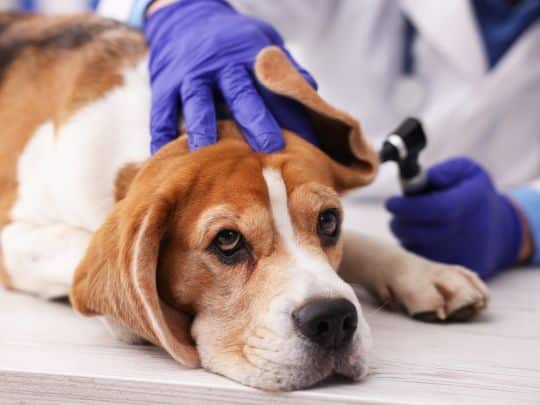
- Gentle cleaning: the wound is rinsed and examined closely, often with the loose nail trimmed or removed if needed.
- Pain relief and bandaging: your dog is made comfortable, and the paw is wrapped to protect it while it heals.
- Home care instructions: you leave with clear steps for cleaning, bandage changes, and activity limits.
Many pet owners in the Fallston, MD area tell us they were surprised by how quickly a straightforward paw injury can be treated once seen. Pet owners often tell us the hardest part is knowing whether an injury is serious enough to come in. A quick call to the clinic can usually answer that question.
Local Conditions That Make Paw Injuries More Common
Dogs in Fallston, MD deal with a wide range of terrain and weather that can be tough on paws. Wooded trails bring sharp rocks and roots. Hot summer pavement can burn soft pads in minutes, and icy winter sidewalks lead to cracked pads and torn nails from slipping.
A common misconception is that a torn nail or scraped pad will simply heal on its own with no real care needed. In reality, an untreated injury is exposed to dirt and bacteria every time your dog walks, which slows healing and raises the risk of infection. Even a small wound benefits from proper cleaning and protection.
This is exactly the kind of situation where a walk-in vet for dogs makes a real difference. Paw injuries rarely happen at a convenient time. A walk-in vet for dogs means your pet can be seen the same day the injury happens. You do not have to wait days for a scheduled appointment while the wound gets worse.
Why Local Pet Owners Choose Us for Fast Paw Care
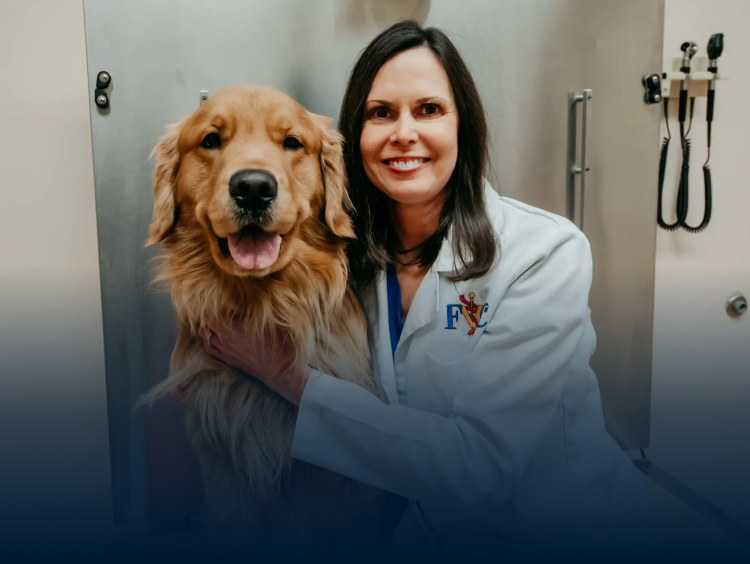
When your dog needs urgent vet care in Fallston, having a clinic that treats paw and nail injuries quickly matters. Fallston Veterinary Clinic sees these injuries often and knows how to get a dog comfortable fast. Care ranges from cleaning and bandaging to pain relief and clear aftercare instructions.
As a trusted pet urgent care option for the area, the team focuses on getting your dog seen without unnecessary delay. Anyone searching for urgent vet care in Fallston, MD after a paw injury can expect a calm, thorough visit. The goal is to get your dog back on all four feet comfortably.
Call us at 410-877-1727 when your pet needs urgent care, and our team will walk you through what to do before you even arrive.
What to Look for in an Urgent Care Vet Clinic
Not every clinic is set up to handle same-day paw and nail injuries efficiently. When choosing where to take your dog, look for a team that offers quick check-in times and on-site bandaging and wound care. Clear communication about aftercare matters too.
Fallston Veterinary Clinic focuses on responsive, hands-on care, so pet owners are not left guessing about next steps after a paw injury. A clinic that answers your questions calmly and explains what happened and why makes a stressful moment easier for both you and your dog.
A torn nail or paw pad injury is common, but it is not something to ignore. Watch for heavy bleeding, limping, or a loose nail. Try gentle first aid at home, and get your dog seen quickly if the injury looks serious. Prompt care keeps a small problem from turning into a bigger, more painful one. With the right cleaning, protection, and follow-up steps, most dogs bounce back quickly and are back to their normal walks and play in no time. If your dog is showing any of the signs above, do not wait it out. Book an appointment today.
Frequently Asked Questions
1. Why is my dog’s nail bleeding so much?
Ans: Nail beds have a rich blood supply, so even a small tear can bleed heavily for several minutes. Applying gentle pressure with a clean cloth usually slows it down.
2. How do I know if my dog’s paw pad injury is serious?
Ans: Heavy bleeding that will not stop, raw or peeling tissue, limping, and swelling are all signs the injury needs professional attention.
3. Can a torn dog nail heal on its own?
Ans: A minor tear may heal with proper cleaning and protection. A nail hanging loose or bleeding heavily usually needs to be trimmed or treated by a vet.
4. How can I prevent paw pad injuries in dogs?
Ans: Keep nails trimmed, avoid hot pavement and rough terrain when possible, and check your dog’s paws after walks for cuts, debris, or swelling.
5. When should I take my dog to the vet for a paw injury?
Ans: See a vet the same day if there is heavy bleeding, limping, a loose nail, or signs of infection like swelling, heat, or discharge.