When your pet undergoes surgery, proper aftercare becomes essential to ensure a smooth and safe recovery. Whether it’s a routine procedure or a more complex operation, the healing period plays a critical role in your pet’s overall outcome. With the right care, attention, and guidance from your veterinary team, you can help your pet return to their normal, happy life as quickly as possible.
At Fallston Veterinary Clinic, pet owners in Fallston can rely on professional support and personalized recovery plans to keep their pets comfortable and safe during the healing process.
Understanding the Importance of Post-Surgery Care
Surgery is just the first step toward recovery. What happens after your pet returns home is equally important. Proper post-operative care helps:
- Prevent infections
- Reduce pain and discomfort
- Promote faster healing
- Avoid complications or setbacks
Your veterinarian will provide detailed instructions tailored to your pet’s specific procedure, and following those guidelines closely is key to successful recovery.
Create a Comfortable Recovery Space
After surgery, your pet needs a quiet, safe, and comfortable environment to rest. Limiting movement and reducing stress are crucial during the first few days.
Here’s how you can help:
- Set up a clean, soft bedding area
- Keep your pet away from stairs or high surfaces
- Minimize noise and activity around them
- Ensure easy access to food and water
A calm environment allows your pet to relax and focus on healing without unnecessary strain.
Follow Medication Instructions Carefully
Pain management and medications are an essential part of recovery. Your veterinarian may prescribe pain relievers, antibiotics, or anti-inflammatory drugs to support healing.
Important tips:
- Administer medications exactly as prescribed
- Never skip doses or stop medication early
- Avoid giving human medications unless directed
Proper medication use ensures your pet stays comfortable and reduces the risk of complications.
Monitor the Surgical Site
Keeping a close eye on the incision site is critical. Check it daily for any signs of infection or abnormal healing.
Watch for:
- Redness or swelling
- Discharge or foul odor
- Bleeding or opening of the incision
- Excessive licking or chewing
If you notice any unusual changes, contact your veterinarian promptly for guidance.
Prevent Licking and Chewing
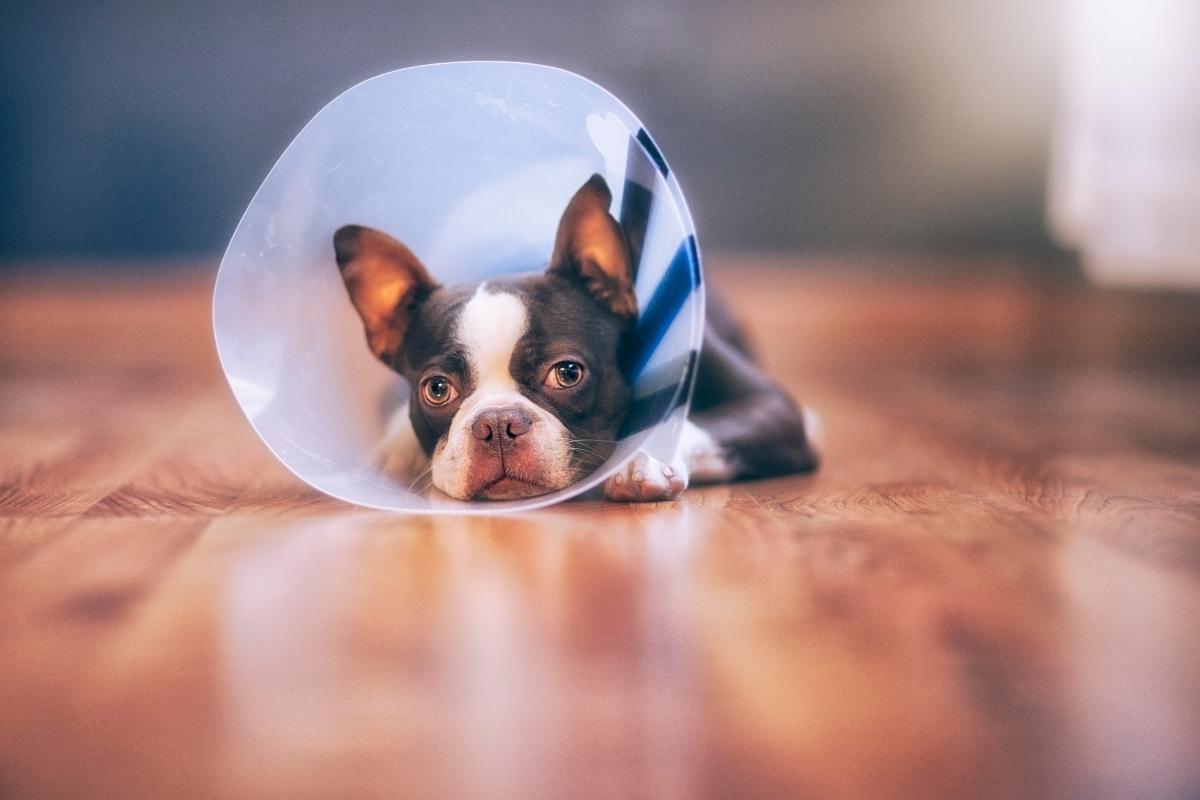
Pets naturally try to lick or chew at their wounds, which can delay healing or cause infections. Using protective measures is essential.
Common solutions include:
- Elizabethan collars (cone collars)
- Surgical recovery suits
- Bandages (if recommended)
These tools help protect the incision and ensure proper healing.
Manage Activity and Exercise
Restricting physical activity is one of the most important aspects of post-surgery care. Even if your pet seems energetic, too much movement can disrupt healing.
Guidelines include:
- Avoid running, jumping, or rough play
- Take short, controlled leash walks if allowed
- Gradually reintroduce normal activity as advised
Always follow your veterinarian’s timeline for returning to regular exercise.
Maintain Proper Nutrition and Hydration
A healthy diet supports your pet’s recovery by providing essential nutrients for tissue repair and immune function.
Post-surgery nutrition tips:
- Offer small, easily digestible meals
- Ensure fresh water is always available
- Monitor appetite and eating habits
If your pet refuses food or shows signs of nausea, consult your veterinarian for advice.
Watch for Behavioral Changes
After surgery, it’s normal for pets to feel slightly tired or less active. However, certain behavioral changes may indicate discomfort or complications.
Be alert for:
- Excessive lethargy
- Loss of appetite
- Whining or signs of pain
- Unusual aggression or withdrawal
Your observations play a vital role in identifying potential issues early.
Attend Follow-Up Appointments
Follow-up visits allow your veterinarian to assess healing progress and remove sutures if necessary. These appointments are essential for ensuring everything is on track.
Regular check-ins also provide an opportunity to ask questions and address any concerns you may have about your pet’s recovery.
When to Contact Your Veterinarian
While most pets recover smoothly, it’s important to know when to seek help. Contact your veterinarian if you notice:
- Persistent vomiting or diarrhea
- Fever or signs of infection
- Difficulty breathing
- Severe pain or swelling
Early intervention can prevent minor issues from becoming serious complications.
Supporting Your Pet Emotionally
Recovery isn’t just physical—it’s emotional too. Your pet may feel anxious or confused after surgery. Providing comfort and reassurance can make a big difference.
Simple ways to help:
- Spend quiet time with your pet
- Offer gentle affection
- Maintain a consistent routine
Your presence helps reduce stress and promotes a sense of security during recovery.
Take the Next Step in Your Pet’s Recovery
Helping your pet recover safely after surgery requires patience and commitment. By following your veterinarian’s guidance and providing proper care at home, you can ensure a smooth healing process.
If you have any concerns about your pet’s recovery or need professional support, don’t hesitate to schedule an appointment today and ensure your pet gets the care they need for a healthy future.
FAQs
1. How long does it take for a pet to recover after surgery?
Recovery time varies depending on the type of surgery, but most pets begin to heal within 10–14 days. Full recovery may take several weeks.
2. Is it normal for my pet to feel tired after surgery?
Yes, mild lethargy is common after surgery due to anesthesia and medication. However, prolonged or extreme lethargy should be checked by a veterinarian.
3. How can I stop my pet from licking the incision?
Using an Elizabethan collar or recovery suit can prevent your pet from licking or chewing the surgical site.
4. When can my pet return to normal activity?
Your veterinarian will provide a timeline, but most pets need restricted activity for at least 1–2 weeks after surgery.
5. What should I feed my pet after surgery?
Offer small, easily digestible meals and ensure proper hydration. Follow your veterinarian’s dietary recommendations.
6. What signs indicate complications after surgery?
Signs such as swelling, discharge, bleeding, loss of appetite, or unusual behavior may indicate complications and require immediate veterinary attention.