
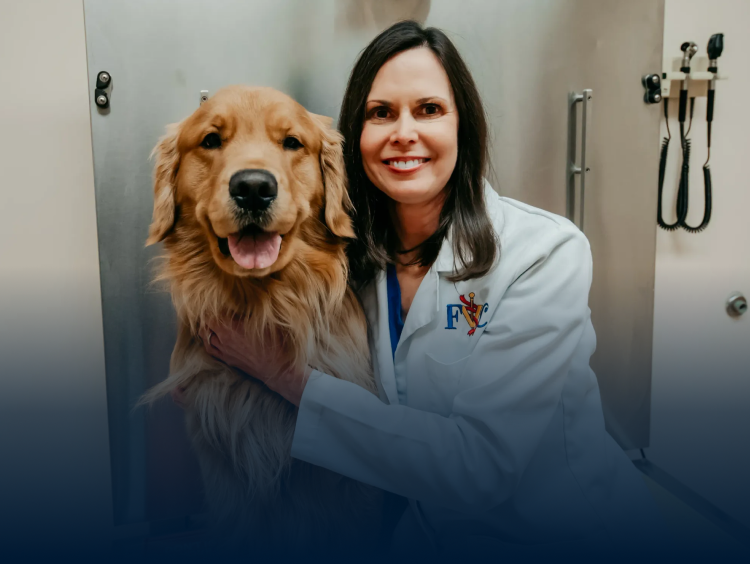

Every pet owner wants their companion to live a long, happy, and healthy life. One of the best ways to support your pet’s well-being is through preventive care. Instead of waiting for health issues to appear, preventive veterinary care focuses on early detection, disease prevention, and maintaining overall wellness at every stage of your pet’s life.
By prioritizing routine care, pet owners can help their pets stay healthier while reducing the risk of serious medical problems in the future.
Why Preventive Care Is Important for Pets
Preventive care plays a vital role in maintaining your pet’s long-term health. Regular veterinary visits, vaccinations, proper nutrition, and parasite prevention work together to protect your pet from many common illnesses.
When potential health concerns are detected early, treatment is often simpler, less invasive, and more effective. This proactive approach helps pets stay active, comfortable, and healthy throughout their lives.
Regular Wellness Exams: The Foundation of Preventive Care
Routine wellness exams are a key part of preventive care. During these visits, veterinarians evaluate your pet’s overall health, including their heart, lungs, eyes, ears, skin, weight, and behavior.
These checkups allow veterinarians to detect subtle signs of illness that may not be obvious at home. Early warning signs such as weight changes, dental problems, or skin conditions can often be identified before they become more serious.
Regular exams help ensure your pet stays on the right path toward lifelong health.
Vaccinations Help Protect Against Serious Diseases
Vaccinations are another essential component of preventive veterinary care. They protect pets from dangerous and potentially life-threatening diseases such as rabies, distemper, and parvovirus.
Puppies and kittens require a series of initial vaccinations, but protection does not stop there. Adult pets need booster shots to maintain immunity throughout their lives.
Staying current on vaccines helps protect not only your pet but also other animals in the community.
Proper Nutrition Supports Long-Term Health
A balanced diet plays a major role in preventive care. The right nutrition supports your pet’s immune system, maintains a healthy weight, and provides the energy needed for daily activities.
Nutritional needs change as pets age. Puppies and kittens require diets that support growth and development, while adult pets need balanced nutrition to maintain energy levels. Senior pets may benefit from specialized diets that support joint health and weight management.
Your veterinarian can help recommend the best diet based on your pet’s age, breed, and lifestyle.
Dental Care Protects Your Pet’s Overall Health
Dental health is often overlooked but is an important part of preventive care. Plaque and tartar buildup can lead to gum disease, tooth loss, and infections if not properly addressed.
Dental disease can also impact your pet’s overall health, as bacteria from the mouth may enter the bloodstream and affect organs such as the heart and kidneys.
Regular dental cleanings, brushing your pet’s teeth, and using dental chews can help maintain healthy teeth and gums.
Parasite Prevention Keeps Pets Safe
Parasites such as fleas, ticks, and heartworms pose serious risks to pets. Preventive medications help protect pets from these parasites and the diseases they can transmit.
Because parasites can be present year-round in many environments, maintaining a consistent prevention routine is essential for protecting your pet’s health.
Regular testing and preventive treatments can help keep your pet safe from these hidden threats.
Senior Pets Benefit from Additional Preventive Care
As pets age, their healthcare needs often change. Senior pets may require more frequent checkups, diagnostic testing, and screenings to detect age-related conditions such as arthritis, kidney disease, or diabetes.
Early detection allows veterinarians to recommend treatments and lifestyle adjustments that improve comfort and quality of life.
Preventive care helps ensure senior pets continue to enjoy their golden years with health and vitality.
Preventive Care Starts at Home
Veterinary visits are important, but pet owners also play a key role in preventive care at home. Daily habits can make a big difference in your pet’s health.
Some important at-home preventive practices include:
- Providing regular exercise
- Grooming and coat care
- Monitoring changes in appetite or behavior
- Maintaining a safe home environment
- Keeping up with parasite prevention
These simple steps support your pet’s health and help identify potential concerns early.
Supporting Your Pet’s Health with Preventive Veterinary Care
Preventive care is one of the most valuable investments you can make in your pet’s well-being. By focusing on early detection, proper nutrition, vaccinations, and routine veterinary visits, pet owners can help their companions live longer and healthier lives.
At Fallston Veterinary Clinic in Fallston, the veterinary team is dedicated to helping pets thrive through comprehensive preventive care. Routine wellness exams and proactive healthcare plans ensure your pet receives the support they need at every stage of life.
By prioritizing preventive care, you’re giving your pet the best chance at a lifetime of health, comfort, and happiness.
Frequently Asked Questions (FAQs)
1. What is preventive care for pets?
Preventive care includes routine wellness exams, vaccinations, parasite prevention, dental care, and proper nutrition designed to keep pets healthy and detect problems early.
2. How often should my pet have a wellness exam?
Most pets should visit the veterinarian at least once a year, while senior pets may benefit from more frequent checkups.
3. Why are vaccinations important for pets?
Vaccinations protect pets from serious and contagious diseases, helping keep both pets and communities safe.
4. Does preventive care help reduce veterinary costs?
Yes. Detecting and preventing health problems early can reduce the need for expensive emergency treatments later.
5. When should preventive care begin for pets?
Preventive care should begin during puppyhood or kittenhood and continue throughout your pet’s entire life.