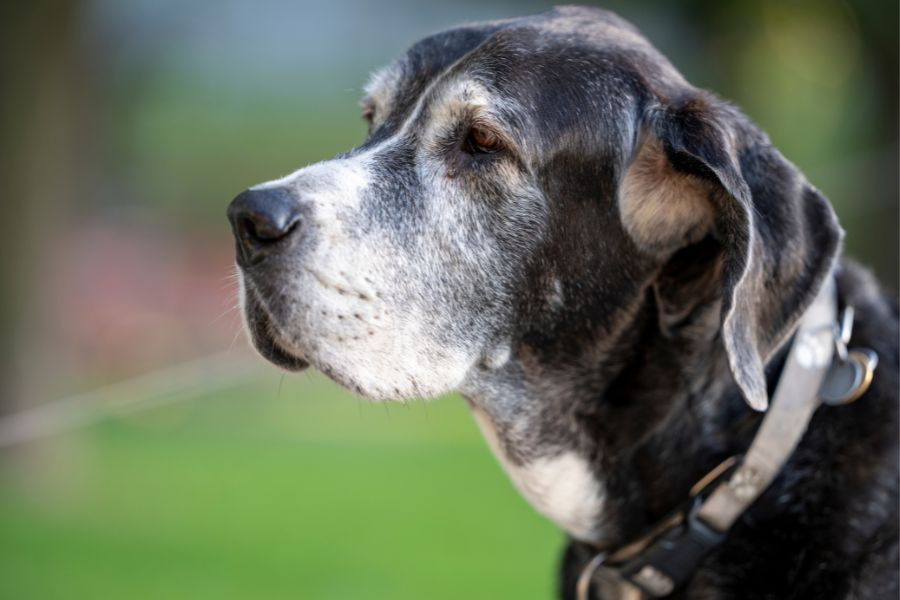
As pets age, their healthcare needs change. Common health issues in senior dogs and cats can develop gradually, often with subtle early signs that are easy to miss. From arthritis and dental disease to kidney problems and cancer, senior pets require extra attention and preventive care.
In this guide, we’ll walk through the most frequent medical concerns in older pets, how to recognize symptoms early, and what pet owners can do to help their furry companions enjoy their golden years comfortably.
When Is a Pet Considered a Senior?
Most dogs and cats are considered “senior” around:
- Dogs: 7 years old (large breeds may age faster)
- Cats: 8–10 years old
However, age is only part of the picture. Activity level, breed, genetics, and lifestyle all influence how quickly pets age. That’s why routine wellness exams become even more important in the senior stage.
Arthritis and Joint Disease
One of the most common health issues in senior dogs and cats is arthritis, also known as degenerative joint disease.
Signs of Arthritis:
- Stiffness after resting
- Limping or favoring a leg
- Difficulty climbing stairs
- Reluctance to jump (especially in cats)
- Sleeping more than usual
In Fallston, many senior dogs enjoy walks at local parks and neighborhood trails—but joint pain can quietly reduce their mobility. Early diagnosis allows for pain management plans that may include:
- Joint supplements
- Anti-inflammatory medications
- Weight management
- Physical therapy
- Comfortable bedding at home
With proper care, many senior pets can remain active and comfortable for years.
Dental Disease and Oral Health Problems
By age three, most pets already show signs of dental disease. In senior pets, it often becomes more advanced.
Common Symptoms:
- Bad breath
- Red or bleeding gums
- Loose teeth
- Drooling
- Difficulty eating
Untreated dental infections can spread bacteria to the heart, liver, and kidneys. Professional cleanings and regular oral exams are essential to prevent pain and systemic complications.
Simple at-home habits like brushing your pet’s teeth or using dental treats can make a significant difference in long-term health.
Kidney Disease (Especially in Senior Cats)
Chronic kidney disease (CKD) is extremely common in older cats and also affects senior dogs.
Early Warning Signs:
- Increased thirst
- Frequent urination
- Weight loss
- Decreased appetite
- Vomiting
Kidney disease develops slowly, which is why routine bloodwork is critical for aging pets. Early detection allows for:
- Prescription kidney diets
- Fluid therapy
- Medications to control symptoms
- Close monitoring of lab values
The sooner CKD is diagnosed, the better the long-term outcome.
Heart Disease in Aging Pets
Heart disease is another one of the common health issues in senior dogs and cats, particularly in small dog breeds and older cats.
Symptoms May Include:
- Coughing
- Labored breathing
- Fatigue
- Fainting episodes
- Swollen abdomen
Some pets show no symptoms at all in the early stages. A veterinarian may detect a heart murmur during a routine exam before outward signs appear.
Diagnostic tools such as chest X-rays and cardiac testing help determine the severity and guide treatment plans.
Cancer in Senior Dogs and Cats
Unfortunately, cancer becomes more common as pets age. In fact, nearly 1 in 4 dogs will develop cancer at some point in their lifetime.
Common Signs to Watch For:
- Lumps or bumps that grow
- Unexplained weight loss
- Persistent limping
- Non-healing wounds
- Changes in appetite
Not all tumors are malignant. Early detection dramatically improves treatment options and outcomes. Pet owners in Fallston should check their pets monthly for new lumps and report changes promptly.
Treatment may include:
- Surgical removal
- Chemotherapy
- Radiation therapy
- Palliative care for comfort
Diabetes in Senior Pets
Diabetes is increasingly diagnosed in older pets, particularly overweight cats and certain dog breeds.
Symptoms Include:
- Excessive thirst
- Frequent urination
- Increased hunger
- Sudden weight loss
With proper insulin therapy, dietary adjustments, and monitoring, many diabetic pets live happy, stable lives.
Maintaining a healthy weight is one of the most effective ways to reduce diabetes risk.
Cognitive Dysfunction (Pet Dementia)
Senior pets can experience cognitive decline similar to dementia in humans.
Behavioral Changes May Include:
- Confusion or disorientation
- Getting stuck in corners
- Changes in sleep cycles
- Increased anxiety
- Forgetting house training
While there is no cure, dietary supplements, medications, and environmental enrichment can help manage symptoms and improve quality of life.
Obesity and Weight-Related Issues
As pets age and slow down, they often gain weight. Obesity worsens nearly every other condition listed above, including arthritis, diabetes, and heart disease.
Healthy weight management includes:
- Portion control
- Senior-formulated diets
- Low-impact exercise
- Regular weigh-ins
Even a small weight reduction can significantly improve mobility and overall health.
Thyroid Disorders
Thyroid disease affects both dogs and cats, but in different ways:
- Dogs: More likely to develop hypothyroidism (low thyroid function)
- Cats: More prone to hyperthyroidism (overactive thyroid)
Symptoms May Include:
- Weight changes
- Coat thinning
- Increased appetite (cats)
- Lethargy (dogs)
Blood testing confirms the diagnosis, and treatment is often highly effective.
The Importance of Senior Wellness Exams
Because many common health issues in senior dogs and cats develop gradually, preventive care is critical.
Most veterinarians recommend:
- Exams every 6 months
- Routine bloodwork
- Urinalysis
- Blood pressure checks
- Dental evaluations
These screenings often detect illness before symptoms become severe.
At Fallston Veterinary Clinic, we emphasize proactive senior pet care to help families throughout Fallston keep their pets comfortable and thriving in their later years.
How Pet Owners Can Support Aging Pets at Home
In addition to veterinary visits, you can support your senior pet by:
- Providing orthopedic bedding
- Installing pet ramps or steps
- Keeping food and water easily accessible
- Maintaining a consistent routine
- Monitoring appetite and bathroom habits
- Scheduling regular checkups
Small changes at home can greatly enhance your pet’s comfort and independence.
Conclusion
Understanding the common health issues in senior dogs and cats empowers pet owners to take action early. Arthritis, kidney disease, heart conditions, dental problems, cancer, and cognitive changes are all manageable when caught in time.
Routine wellness exams, early diagnostics, and attentive home care are the keys to helping your senior pet enjoy a high quality of life. If your dog or cat is entering their golden years, schedule a senior wellness exam today and give them the care they deserve.
Contact Fallston Veterinary Clinic today to book your pet’s senior checkup and keep them healthy for years to come.
FAQs
Q1: What are the most common health problems in senior dogs and cats?
Ans: The most common issues include arthritis, dental disease, kidney disease, heart problems, cancer, diabetes, and thyroid disorders.
Q2: How often should senior pets see a veterinarian?
Ans: Senior pets should have wellness exams every six months to detect health issues early.
Q3: What are the early signs of kidney disease in older cats?
Ans: Increased thirst, frequent urination, weight loss, and decreased appetite are common early symptoms.
Q4: Can arthritis in senior pets be treated?
Ans: Yes, arthritis can be managed with medication, supplements, weight control, and lifestyle adjustments to improve comfort.
Q5: Is weight gain normal in older pets?
Ans: While metabolism slows with age, significant weight gain is not normal and may indicate reduced activity, thyroid issues, or improper diet.