
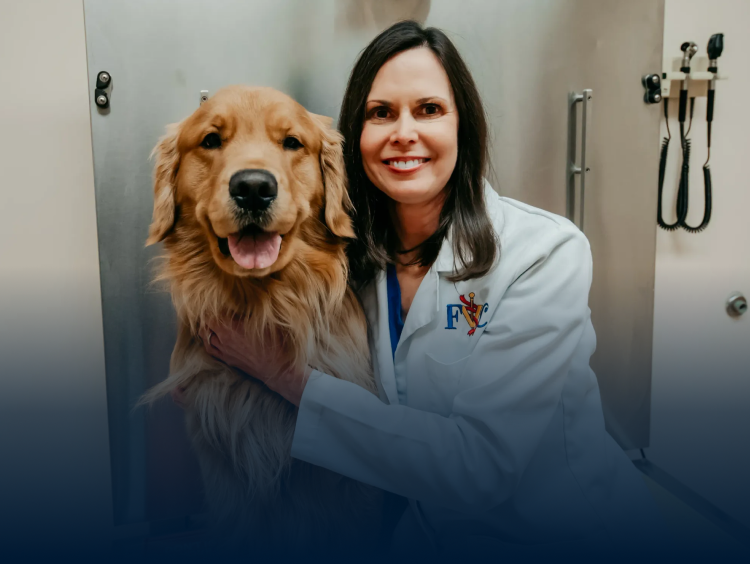

Every season brings unique changes that affect your pet’s health. Warmer temperatures encourage parasites, spring blooms increase environmental allergens, fall introduces new outdoor hazards, and winter can be tough on joints and skin. While many pet owners focus on obvious seasonal changes, preventive care throughout the year plays a key role in helping pets stay comfortable and healthy.
By recognizing seasonal risks and taking simple preventive measures, you can reduce your pet’s chances of developing common health problems. Whether you have a playful puppy, a curious cat, or a senior companion, a proactive approach helps them enjoy every season safely.
Why Seasonal Preventive Care Matters
Pets experience seasonal changes differently than humans. Their daily activities, time spent outdoors, and exposure to changing weather conditions can increase their risk of developing various illnesses or discomforts.
Routine preventive care allows veterinarians to monitor your pet’s overall health, identify subtle concerns early, and recommend seasonal lifestyle adjustments before minor issues become bigger problems.
If you ever notice unexpected changes in your pet’s behavior, appetite, or activity level, seeking urgent pet care Fallston can help address concerns before they worsen.
Spring Health Risks for Pets
Spring often encourages longer walks and more outdoor adventures. While the season is enjoyable, it also introduces several potential health concerns.
Environmental Allergies
Trees, grass, weeds, and flowering plants release pollen that may trigger allergic reactions in some pets.
Signs may include:
- Excessive scratching
- Frequent licking of paws
- Red or irritated skin
- Ear irritation
- Watery eyes
Keeping your pet clean after outdoor activities and maintaining a consistent grooming routine may help reduce allergen exposure.
Increased Parasite Activity
Warmer temperatures create favorable conditions for fleas, ticks, and other parasites that can affect your pet’s comfort.
Preventive care includes:
- Regular skin and coat checks
- Keeping lawns trimmed
- Cleaning bedding frequently
- Monitoring for excessive scratching
Seasonal Digestive Upset
Pets often become more curious outdoors during spring. Eating unfamiliar plants, grass, or spoiled materials may cause digestive discomfort.
Watch for:
- Vomiting
- Diarrhea
- Reduced appetite
- Lethargy
Keeping your yard free of potentially harmful plants and debris can lower these risks.
Summer Brings More Outdoor Challenges
Summer offers plenty of opportunities for outdoor fun, but it also presents health concerns that require extra attention.
Heat Stress
Unlike people, pets cannot regulate body temperature efficiently.
To help protect them:
- Provide fresh water throughout the day.
- Walk pets during cooler morning or evening hours.
- Ensure access to shade.
- Avoid prolonged outdoor exercise during peak heat.
Paw Pad Protection
Hot pavement can become much hotter than the surrounding air.
Simple preventive measures include:
- Walking on grassy paths
- Testing pavement temperature with your hand
- Limiting walks during the hottest part of the day
Water Safety
Many pets enjoy swimming, but lakes, ponds, and pools can expose them to bacteria or other hazards.
Always supervise pets around water and rinse their coat after swimming to remove dirt and contaminants.
Fall Introduces New Seasonal Hazards
As temperatures cool, many pet owners assume health risks decrease. However, fall brings its own challenges.
Mold and Damp Leaves
Piles of wet leaves may contain mold that can irritate sensitive pets.
Avoid allowing pets to:
- Play in large leaf piles
- Drink from stagnant puddles
- Explore areas with visible mold growth
Wildlife Encounters
Wild animals become more active during certain times of the year.
Keep dogs on a leash during walks and monitor outdoor cats to reduce unexpected encounters.
Changes in Exercise Routines
Shorter daylight hours sometimes reduce outdoor activity, leading to weight gain.
Maintaining regular exercise helps:
- Support healthy joints
- Maintain ideal body weight
- Improve mental stimulation
Winter Wellness Tips
Cold weather affects pets differently depending on age, breed, and health status.
Dry Skin
Indoor heating can reduce humidity, contributing to dry, itchy skin.
Helpful tips include:
- Regular brushing
- Fresh drinking water
- Balanced nutrition
- Appropriate grooming products recommended by your veterinarian
Joint Stiffness
Older pets often experience increased joint discomfort during colder months.
Gentle daily activity can help keep joints flexible while avoiding excessive strain.
Outdoor Safety
Snow, ice, and cold rain can irritate paws.
After walks:
- Wipe paws clean
- Remove ice or debris
- Dry your pet thoroughly
- Check for cracks or irritation
Nutrition Supports Seasonal Health
Proper nutrition remains one of the best preventive tools throughout the year.
A balanced diet helps support:
- Healthy skin
- Strong muscles
- Digestive function
- Immune health
- Healthy body weight
Your veterinarian may recommend dietary adjustments depending on your pet’s age, activity level, and seasonal needs.
Grooming Is More Than Looking Good
Regular grooming allows pet owners to notice changes before they become more serious.
During grooming, check for:
- Lumps or bumps
- Skin irritation
- Hair loss
- Ear debris
- Nail overgrowth
- Parasites
Routine grooming also keeps coats cleaner and helps reduce exposure to environmental allergens.
Don’t Ignore Small Behavioral Changes
Pets often hide discomfort.
Pay attention if your pet begins:
- Sleeping more than usual
- Eating less
- Drinking significantly more water
- Avoiding walks
- Limping
- Scratching frequently
- Shaking their head repeatedly
Early evaluation often leads to easier treatment and improved outcomes.
Home Maintenance Helps Protect Pets
Many seasonal illnesses begin with environmental exposure.
Simple home care includes:
- Vacuuming regularly
- Washing pet bedding
- Cleaning food and water bowls
- Keeping outdoor spaces free of standing water
- Storing lawn chemicals safely
- Removing toxic plants from your yard
These habits help reduce exposure to allergens, parasites, and other seasonal hazards.
Regular Wellness Visits Make a Difference
Routine veterinary examinations provide valuable opportunities to evaluate your pet’s overall health throughout the year.
Your veterinarian can:
- Assess changes related to aging
- Monitor weight and body condition
- Evaluate skin and coat health
- Check dental health
- Recommend seasonal preventive strategies
- Discuss nutrition and lifestyle adjustments
Having a trusted veterinary hospital near you makes it easier to stay proactive about your pet’s changing healthcare needs.
Creating a Seasonal Care Routine
Developing a simple seasonal checklist helps ensure nothing gets overlooked.
Consider including:
- Monthly grooming checks
- Regular parasite inspections
- Seasonal nutrition evaluations
- Daily exercise appropriate for the weather
- Frequent hydration monitoring
- Safe outdoor practices
Small, consistent habits throughout the year often provide lasting health benefits.
Partner With a Trusted Veterinary Team
Every pet has unique health needs that change with age, lifestyle, and the seasons. Working with an experienced veterinary team ensures your companion receives personalized recommendations that support lifelong wellness.
If your pet develops unexpected symptoms or seems unwell, prompt evaluation is always the best approach. For pets needing urgent pet care Fallston, having access to experienced veterinary professionals provides peace of mind when concerns arise.
At Fallston Veterinary Clinic, we are committed to helping pets stay healthy in every season through compassionate, comprehensive care tailored to their individual needs. Whether you’re looking for a dependable veterinary clinic Fallston residents trust or a reliable veterinary hospital near you, our team is here to support your pet’s health year-round. To schedule an appointment or learn more about our services, call (410) 877-1727.
Frequently Asked Questions
1. Why is seasonal preventive care important for pets?
Ans: Seasonal preventive care helps identify potential health concerns associated with changing weather, environmental conditions, and outdoor activities before they become more serious.
2. How can I protect my pet from seasonal allergies?
Ans: Regular grooming, wiping paws after walks, maintaining a clean home, and consulting your veterinarian about persistent itching or skin irritation can help reduce allergy-related discomfort.
3. What are the most common seasonal health concerns for pets?
Ans: Common concerns include allergies, parasite exposure, skin irritation, digestive issues, heat-related problems, dry skin during winter, and joint stiffness in colder months.
4. How often should I have my pet examined?
Ans: Routine wellness visits allow your veterinarian to monitor your pet’s health throughout the year and provide recommendations based on seasonal changes and your pet’s individual needs.
5. How can weather affect my pet’s skin and coat?
Ans: Heat, humidity, pollen, cold temperatures, and dry indoor air can all impact skin and coat health. Regular grooming and proper nutrition help maintain healthy skin year-round.
6. When should I seek veterinary attention for seasonal health concerns?
Ans: If your pet experiences persistent itching, digestive upset, limping, changes in appetite, unusual tiredness, or other ongoing symptoms, it’s important to have them evaluated by your veterinarian as soon as possible.