
A single bite wound can look minor on the surface while causing serious damage underneath. Whether it comes from another dog, a cat, or a wild animal, a bite injury needs quick attention to prevent infection and lasting harm. Getting fast veterinary treatment in the first few hours often makes the biggest difference in how well your pet heals. Bacteria from an animal’s mouth can spread deep into muscle tissue within hours, even when the outer skin barely shows a mark. Swelling, pain, and hidden puncture wounds can worsen quickly if left untreated overnight. Many pet owners wait to see if a wound looks serious before seeking care. That delay can turn a simple injury into one requiring more intensive treatment. Recognizing the early warning signs helps you act before complications set in. Getting your pet examined quickly gives the best chance for fast, complete healing without complications.
Why Fast Veterinary Treatment Matters for Bite Wounds
A bite wound is never just a surface injury. An animal’s mouth carries high levels of bacteria, and puncture wounds trap that bacteria deep under the skin where it’s hard to clean without professional tools. Even a wound that stops bleeding quickly can develop into a serious infection within a day or two.
Veterinary research shows bite wounds are among the leading reasons pets need urgent evaluation, with infection risk rising sharply when treatment is delayed more than 24 hours. Proper dog bite wound care in the first hours helps prevent torn or crushed tissue from becoming an entry point for bacteria.
Prompt care lets a veterinarian assess the full extent of the damage, flush out contamination, and start treatment before infection has a chance to spread. Waiting even a short time can mean the difference between a simple wound and one that requires surgery. This is exactly why fast veterinary treatment matters so much after any bite. A short delay in care can turn a manageable injury into a much longer recovery process.
What Are the Warning Signs of an Infected Bite Wound?
Recognizing animal bite infection signs early can protect your pet from serious complications. An infected wound often shows redness, swelling, and warmth around the puncture site within 24 to 48 hours. Pus, a foul odor, or a pet repeatedly licking the area are also strong indicators that treatment is needed right away.
- Redness and swelling that spreads beyond the wound: this often signals the infection is moving into surrounding tissue.
- Warmth or heat coming from the wound: a warm wound usually means the body is fighting an active infection.
- Discharge or a foul smell: pus or an unpleasant odor points to bacteria multiplying beneath the skin.
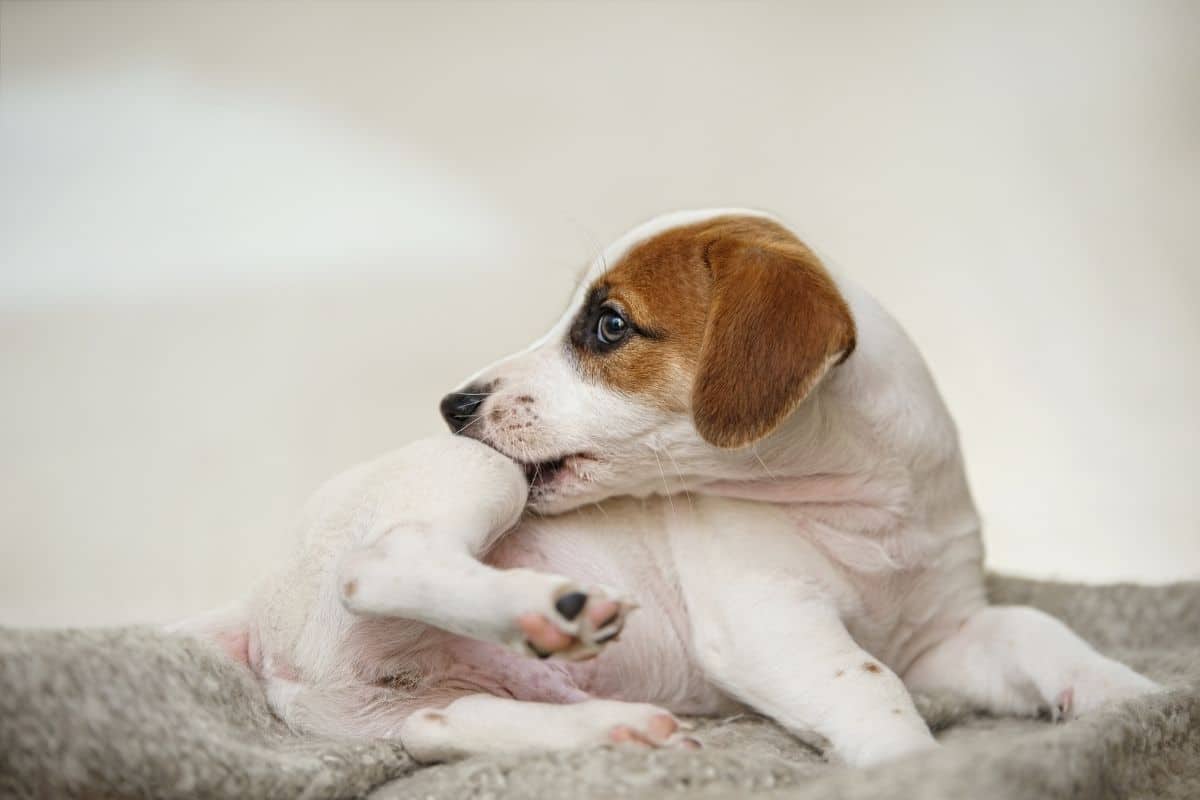
- Your pet won’t stop licking or chewing the area: persistent attention to a wound usually means it’s painful or itchy from infection.
- Lethargy, fever, or loss of appetite: these signs suggest the infection may be affecting your pet’s whole body, not just the wound site.
Pet owners often tell us they were not expecting a small-looking wound to cause so much trouble a day later. Any one of these signs is reason enough to have the wound checked. In our experience, infections that seem mild at first can progress quickly, especially in wounds located on the legs or face where movement keeps reopening the injury.
How a Bite Wound Exam Usually Unfolds
Bringing your pet in quickly helps prevent complications after any bite injury. Here’s what typically happens during a visit:
- Initial assessment: the veterinary team checks the wound’s depth, location, and how it’s affecting movement.
- Cleaning and flushing: the wound is thoroughly cleaned to remove bacteria and debris trapped beneath the skin.
- Pain management: your pet receives appropriate care to keep them comfortable during treatment.
- Closure or drainage: depending on the wound, it may be closed, left open to drain, or bandaged for monitoring.
- Follow-up plan: you’ll receive instructions for at-home care and signs that mean you should return.
Many pet owners here in Fallston bring their dogs in right after an incident for prompt dog bite wound care, and our team at Fallston Veterinary Clinic walks them through every step so nothing feels rushed. In our experience, pets that receive prompt cleaning and monitoring recover with far fewer complications than those treated after a delay.
Cats often hide pain well, which makes cat bite wound treatment just as time-sensitive as care for dogs. Watching for subtle changes in behavior after any outdoor encounter helps catch problems early.
How Outdoor Adventures Can Increase Bite Risk
Wooded areas, farmland, and open trails near many Maryland neighborhoods put pets in frequent contact with wildlife or unfamiliar animals. Off-leash encounters, dog park visits, and outdoor cats crossing paths with other animals all raise the chance of a bite injury throughout the year, especially close to Fallston, MD.
Many pet owners assume that if a bite wound isn’t bleeding heavily, it doesn’t need medical attention. This is one of the most common misconceptions we hear, and it’s simply not accurate. Puncture wounds often look small on the surface while causing significant damage underneath, and the risk of infection has little to do with how much a wound bled at first.
Local families who spend time hiking or letting pets roam larger properties should watch closely after any animal encounter. If your pet is bitten outdoors, searching for urgent pet care in Fallston right away is the safest next step.
Watching closely for animal bite infection signs in the days after an encounter can help you catch complications before they become serious. Keeping a close eye on behavior, appetite, and the wound itself for at least a week gives you the best chance of noticing a problem early.
Getting Fast Help When Your Pet Needs It Most
When your pet needs urgent care after a bite, having a trusted local option makes all the difference. Fallston Veterinary Clinic provides prompt evaluation and treatment for bite wounds, so pets don’t have to wait to be seen. Call us at 410-877-1727, and our staff will help get your pet seen as quickly as possible.
If you’re already searching for urgent pet care in Fallston, our team is ready to help the moment you arrive. Pet owners often tell us they appreciate having somewhere nearby to turn when an unexpected injury happens.
Whether your pet needs treatment for a cat bite wound or care after a dog encounter, quick action helps protect them from complications and supports a smoother recovery. Our team is here to make that process as fast and stress-free as possible.
Bite wounds may look minor, but they carry hidden risks that can escalate quickly without proper care. Fast veterinary treatment helps prevent infection, reduces recovery time, and gives your pet the best chance at healing without complications. Watching for warning signs and understanding what to expect during a visit both help protect your pet. Acting quickly after any bite injury plays a key role in your pet’s recovery. Local risks, such as encounters with outdoor wildlife, make it even more important to stay alert. If your pet has been bitten, don’t wait to see if it gets better on its own. Reach out right away so your pet can get the care they need. Book an appointment today.
Frequently Asked Questions
Q1: What should I do immediately after my pet is bitten?
Ans: Rinse the wound gently with clean water if possible, then contact a veterinarian right away. Avoid applying ointments or bandages until a professional has examined the injury.
Q2: Can a bite wound heal on its own without treatment?
Ans: Some very minor wounds may close on their own, but bites often cause hidden damage beneath the skin. A veterinary exam is the only reliable way to rule out infection or deeper tissue injury.
Q3: How quickly can a bite wound become infected?
Ans: Infection can develop within 24 to 48 hours after a bite. Early veterinary care greatly reduces this risk.
Q4: Are cat bites more dangerous than dog bites?
Ans: Cat bites often cause narrow, deep puncture wounds that seal quickly and trap bacteria inside. This makes them just as serious as larger dog bite wounds, even though they may look smaller.
Q5: What if my pet seems fine after a bite?
Ans: Pets often hide pain and discomfort, so a calm demeanor doesn’t rule out injury. A veterinary check ensures nothing serious is developing beneath the surface.