
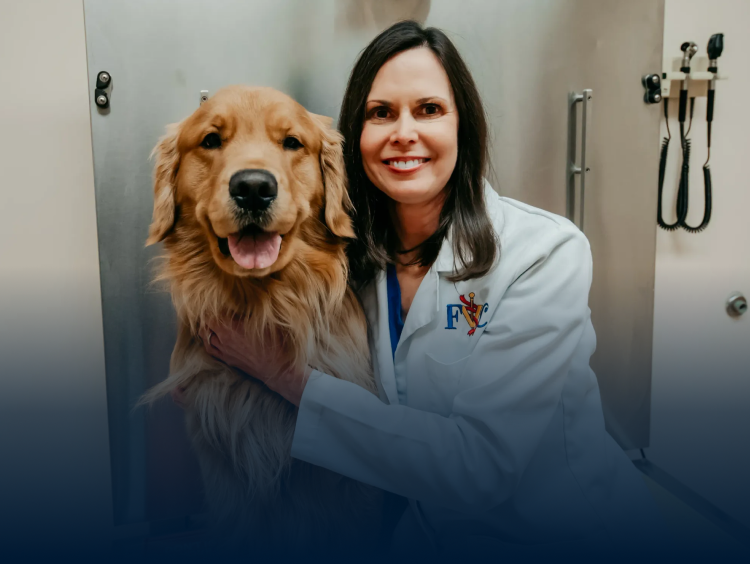

For many pets, a trip to the veterinarian can feel overwhelming. Unfamiliar smells, new people, strange sounds, and medical procedures can cause anxiety in both dogs and cats. Fortunately, modern veterinary practices focus on making visits as comfortable and stress-free as possible for pets and their owners.
In this guide, we’ll explore how veterinarians help reduce stress during pet visits, what pet owners can do to prepare, and why creating a positive veterinary experience is important for your pet’s long-term health. If you live in Fallston, MD, understanding these strategies can help make every appointment a smoother experience for your furry family member.
Why Do Pets Get Stressed at the Veterinarian?
Many pets associate veterinary visits with unfamiliar experiences. Even pets that are generally calm at home may become nervous once they arrive at a clinic.
Common causes of pet anxiety include:
- Unfamiliar environments
- Loud noises
- New smells
- Being around other animals
- Physical examinations
- Previous negative experiences
- Separation from their comfort zone
Stress can affect pets differently. Some may hide or tremble, while others may bark, pant excessively, resist handling, or become unusually quiet.
Recognizing these behaviors helps veterinarians tailor their approach to each pet’s individual needs.
Why Reducing Stress During Veterinary Visits Matters
A calmer pet is easier to examine and treat. More importantly, reducing anxiety creates a better overall experience for both pets and their owners.
Benefits of stress-free veterinary visits include:
- More accurate physical examinations
- Improved cooperation during procedures
- Reduced fear of future appointments
- Better long-term healthcare compliance
- Enhanced trust between pets and veterinary staff
When pets feel safe, routine veterinary care becomes much less challenging.
Creating a Welcoming Environment for Pets
One of the first ways veterinarians help reduce stress is by creating a pet-friendly atmosphere.
Modern veterinary clinics often incorporate features designed to help animals feel more comfortable, including:
- Quiet waiting areas
- Separate spaces for dogs and cats
- Comfortable exam rooms
- Calming pheromone products
- Gentle lighting
- Reduced noise levels
These small environmental changes can make a significant difference in how pets respond during their visit.
Gentle Handling Techniques Make a Difference
Experienced veterinarians understand that every pet has a unique personality and comfort level.
Rather than forcing interactions, many veterinarians use gentle handling techniques that allow pets to adjust at their own pace.
These techniques may include:
- Allowing pets time to explore the exam room
- Using calm voices and slow movements
- Offering treats and positive reinforcement
- Minimizing physical restraint whenever possible
- Adjusting examination methods based on the pet’s behavior
This patient approach helps pets feel less threatened and more cooperative during their appointment.
Fear-Free Veterinary Care
Many veterinary practices have adopted principles commonly associated with fear-free care.
Fear-free techniques focus on reducing emotional stress while providing necessary medical treatment.
Common fear-free strategies include:
Positive Reinforcement
Veterinarians reward calm behavior with praise, treats, or affection.
Reduced Waiting Times
Shorter waits help prevent anxiety from escalating before the examination begins.
Customized Care Plans
Some pets may need extra time, specific handling methods, or modified appointment schedules.
Low-Stress Examinations
Veterinarians often perform exams in positions that feel more natural and comfortable for the pet.
These approaches help create positive associations with veterinary visits over time.
The Role of Preventive Care in Building Confidence
Regular veterinary visits can actually reduce anxiety in the long run.
When pets visit the clinic only for emergencies or illness, they may associate veterinary care with unpleasant experiences.
Routine pet wellness exams allow pets to become familiar with:
- Veterinary staff
- Examination rooms
- Handling procedures
- Positive interactions
Over time, these experiences can make future visits feel much less intimidating.
A comprehensive wellness exam is an excellent preventive care service that not only monitors your pet’s health but also helps build trust and familiarity with the veterinary team.
How Veterinarians Help Nervous Dogs
Dogs often express anxiety in noticeable ways.
Common signs include:
- Panting
- Pacing
- Barking
- Trembling
- Pulling on the leash
- Excessive drooling
Veterinarians may help nervous dogs by:
- Greeting them calmly
- Avoiding direct eye contact initially
- Using treats during examinations
- Performing procedures gradually
- Allowing owners to stay nearby when appropriate
These techniques help many dogs remain calmer throughout their visit.
How Veterinarians Help Nervous Cats
Cats often experience veterinary visits differently from dogs.
Because cats prefer familiar surroundings, travel and new environments can be especially stressful.
Veterinarians often recommend:
- Keeping cats in secure carriers
- Covering carriers with a towel during transport
- Using feline pheromone sprays
- Providing quiet waiting areas
- Examining cats in the bottom half of the carrier when possible
These strategies can significantly reduce fear and anxiety in feline patients.
What Pet Owners Can Do Before the Appointment
Veterinarians play a major role in reducing stress, but pet owners can help too.
Practice Carrier and Car Rides
For cats and small dogs, leave carriers out at home so they become familiar with and comfortable in them.
Bring Favorite Treats
Special treats can provide positive reinforcement during the visit.
Stay Calm
Pets often pick up on their owner’s emotions. Remaining relaxed can help your pet feel more secure.
Schedule Wisely
If your pet becomes anxious around other animals, ask about quieter appointment times.
Exercise Before the Visit
For dogs, a short walk before the appointment may help reduce excess energy and nervousness.
These simple steps can improve the overall veterinary experience.
Local Pet Care Considerations
Pet owners in Fallston enjoy a strong sense of community and access to outdoor spaces where dogs and cats can stay active. However, seasonal weather changes, allergy concerns, and year-round preventive healthcare needs make routine veterinary visits especially important.
Establishing a positive relationship with a local veterinary team ensures pets receive consistent care while reducing stress associated with unfamiliar environments. Regular visits also help pets become comfortable with the people who care for them throughout their lives.
Signs Your Pet May Need Extra Support During Visits
Some pets experience higher levels of anxiety and may benefit from additional accommodations.
Speak with your veterinarian if your pet:
- Becomes aggressive during appointments
- Refuses to enter the clinic
- Experiences severe trembling or panic
- Has a history of traumatic veterinary experiences
- Becomes extremely fearful during handling
Veterinary teams can often develop personalized strategies to help these pets feel safer and more comfortable.
Building Trust Through Positive Veterinary Experiences
Reducing stress isn’t just about making one appointment easier. It’s about creating a lifelong positive relationship between pets, owners, and veterinary professionals.
Pets with positive veterinary experiences are more likely to get regular preventive care, supporting better health and early detection. Veterinarians aim to make visits less stressful using gentle handling, fear-free methods, welcoming environments, and personalized care. Regular wellness visits and preparation help reduce anxiety and comfort pets.
If you’re looking for compassionate veterinary care in Fallston, book an appointment with Fallston Veterinary Clinic today. Our goal is to help every pet feel as safe and comfortable as possible while receiving the medical attention they need.
FAQs
Q1: Why do pets get anxious during veterinary visits?
Answer: Pets often become anxious because of unfamiliar environments, new smells, loud noises, handling, and previous experiences that may have caused stress or discomfort.
Q2: How do veterinarians reduce stress during pet visits?
Answer: Veterinarians use gentle handling, positive reinforcement, fear-free techniques, calming environments, and personalized care approaches to help pets feel more comfortable.
Q3: Can regular veterinary visits help reduce anxiety?
Answer: Yes. Routine visits help pets become familiar with the clinic, staff, and examination process, making future appointments less stressful.
Q4: What can I do to help my pet stay calm before a veterinary appointment?
Answer: Practice carrier training, bring favorite treats, stay calm, exercise your dog before the visit, and follow any recommendations provided by your veterinarian.
Q5: Are some pets naturally more stressed at the veterinarian?
Answer: Yes. Personality, past experiences, age, and temperament can all affect how a pet responds to veterinary visits, which is why individualized care is important.