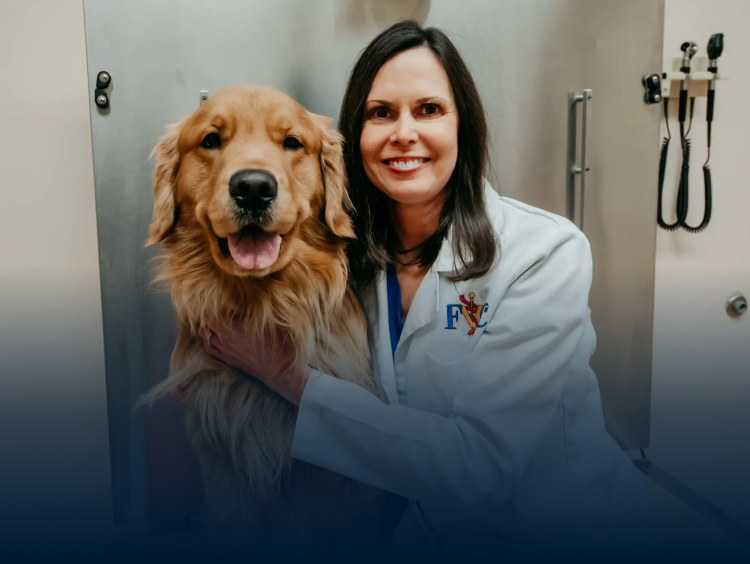

Preparing for a veterinary visit involves more than arriving on time. For pet owners in Fallston and nearby Maryland communities, having the right information and supplies can make examinations more productive.
Whether your companion needs a wellness check, vaccinations, or dental evaluation, preparation helps the veterinary team understand their health needs. At Fallston Veterinary Clinic, bringing accurate records and discussing concerns with a veterinarian can support informed care decisions.
What Should You Bring to a Vet Appointment?
A complete vet appointment checklist includes medical records, medication details, health observations, and supplies for safe transportation. These essentials help the veterinary team review your animal’s history and identify concerns requiring further evaluation.
Before leaving home, gather these important items:
- Previous medical records and vaccination certificates
- Current prescription medications and supplements
- Details about food, treats, and feeding schedules
- A secure carrier or properly fitted leash
- Notes about unusual symptoms or behavioral changes
- Recent photographs or videos of concerning symptoms
- A fresh stool sample, if requested
- Favorite treats or a familiar blanket
- Questions about preventive care and dental health
These preparations are particularly helpful during first-time appointments, annual examinations, and visits involving ongoing medical conditions.
Why Are Medical Records Important During Veterinary Visits?
Medical history helps the veterinarian understand previous illnesses, treatments, and preventive care. Without accurate records, important details about vaccinations or ongoing conditions may be unavailable.
Bring documents covering previous surgeries, allergies, laboratory results, and parasite prevention. If your animal previously visited another hospital, request that records be transferred before the appointment.
For puppies and kittens, vaccination and deworming histories are especially important. Older animals may require additional documentation about chronic conditions or medications.
Should You Bring Your Pet’s Medications and Food Information?
Yes. Medication and nutrition details help veterinary professionals evaluate treatment responses and identify possible concerns.
Prepare a list showing:
- Medication names, dosages, and administration schedules
- Vitamins, supplements, and parasite preventives
- Food brands, portions, and feeding frequency
- Recent dietary changes or suspected food reactions
Bring medication packaging when possible. Never stop prescribed treatments or change dosages without veterinary instructions.
If bloodwork or anesthesia is planned, ask about fasting requirements beforehand. Do not withhold food or water without specific guidance.
How Can You Prepare Your Dog or Cat for a Stress-Free Vet Visit?
Travel and unfamiliar surroundings can make some animals anxious. Gradual preparation may reduce stress and improve cooperation during examinations.
For dogs, use a secure leash and let them go outside before traveling. Put cats in sturdy carriers lined with familiar bedding.
Practice short car rides and gentle handling before scheduled visits. If your companion becomes extremely fearful, contact the clinic about appropriate accommodations.
Avoid sedatives or calming medications unless they are prescribed for that animal.
What Symptoms Should You Document Before the Appointment?
Written observations can help veterinary professionals investigate concerns that may not appear during an examination.
Record changes involving appetite, drinking, urination, bowel movements, activity, or behavior. Note when symptoms started, how often they occur, and whether they are worsening.
Photographs of skin changes or videos of unusual movements may provide useful context.
Mild, brief changes without other symptoms may sometimes be monitored after veterinary advice. Persistent vomiting, coughing, limping, or changes in appetite warrant an examination.
Difficulty breathing, collapse, repeated unproductive retching, or inability to urinate requires immediate veterinary attention. Do not wait for a routine appointment.
What Should You Bring for a Pet Dental Examination?
Dental evaluations are an important part of preventive healthcare. Oral discomfort can affect eating habits, behavior, and daily comfort.
Before a dental appointment, document:
- Persistent bad breath or excessive drooling
- Difficulty chewing or dropping food
- Bleeding gums or visible tartar
- Loose, fractured, or discolored teeth
- Changes in appetite or chewing preferences
Bring information about the toothbrushes, dental chews, and other oral care products your dog currently uses.
Based on clinical findings, a veterinarian near you may recommend further examination, professional cleaning, or dental imaging. Facial swelling, significant oral bleeding, or difficulty eating warrants prompt assessment.
How Early Should You Arrive for Your Veterinary Appointment?
Arriving about 10–15 minutes early allows time to check in, especially for an initial visit.
Complete any available registration forms beforehand, and confirm whether diagnostic testing requires extra preparation.
Owners planning preventive examinations can use the clinic’s scheduling system to book an appointment online before their preferred visit date.
Keep your companion properly restrained throughout the hospital visit, and inform staff of any contagious symptoms or aggressive behavior.
Prepare Today for a Healthier Tomorrow
A well-organized veterinary appointment checklist helps owners communicate concerns, share medical histories, and prepare for important examinations. Bringing relevant information also supports discussions about preventive healthcare and oral health.
If your dog or cat needs a wellness examination or dental consultation, our veterinary team is ready to help. Call our hospital at +1 410-877-1727 to schedule an appointment and discuss your companion’s healthcare needs.
Frequently Asked Questions
1. Should I bring a stool sample to my dog’s first vet appointment?
Ans: A fresh stool sample may help identify intestinal parasites when fecal testing is recommended. Collect it in a clean, sealed container and ask about storage requirements. Contact the clinic beforehand to confirm whether testing is planned.
2. Can my cat eat before a routine veterinary examination?
Ans: Cats can generally follow their normal feeding routine before standard wellness examinations. However, certain blood tests or procedures may require fasting. Contact Fallston Veterinary Clinic for preparation instructions based on the scheduled services.
3. How often should senior dogs and cats receive veterinary examinations?
Ans: Many senior animals benefit from examinations about every six months, depending on their health. Age-related changes may require additional monitoring. Fallston Veterinary Clinic can help owners discuss appropriate preventive screening schedules.
4. What if my dog becomes anxious during veterinary visits?
Ans: Bring familiar bedding, approved treats, and information about previous stressful visits. Notify the veterinary team before you arrive so they can discuss appropriate handling arrangements. Some animals may benefit from prescribed pre-visit medication.
5. Should I schedule a dental examination if my pet has bad breath?
Ans: Persistent bad breath can indicate plaque accumulation, gum inflammation, or other oral conditions. A dental examination helps identify possible causes and appropriate next steps. Early evaluation may prevent discomfort from progressing unnoticed.
6. What should I do if I forget my animal’s vaccination records?
Ans: Contact your previous veterinary hospital and request an electronic copy. Fallston Veterinary Clinic can review any available documentation and discuss what information may be missing. Accurate records help prevent unnecessary repeat procedures and support vaccination planning.