Bad breath in dogs is a common issue that many pet owners notice but often overlook. While occasional odor may seem harmless, persistent bad breath—also known as halitosis—can be a sign of underlying dental problems or other health concerns. Proper dental care plays an important role in maintaining your dog’s overall health and preventing long-term complications.
Understanding the causes of bad breath and maintaining a consistent dental routine can help keep your dog’s mouth healthy and their breath fresh.
Why Dental Care Is Important for Dogs
Just like humans, dogs need regular oral hygiene to maintain healthy teeth and gums. Without proper care, plaque and tartar can accumulate on your dog’s teeth, leading to gum disease, tooth decay, and unpleasant breath.
Over time, bacteria from untreated dental disease can enter the bloodstream and affect other organs such as the heart, kidneys, and liver. This makes routine dental care essential for your dog’s overall well-being.
For pet owners in Fallston, MD, combining at-home dental care with routine veterinary visits can help prevent many oral health problems before they become serious.
Common Causes of Bad Breath in Dogs
Periodontal Disease
One of the leading causes of bad breath in dogs is periodontal disease. This condition occurs when bacteria build up along the gum line, forming plaque and tartar. As the condition progresses, it can cause gum inflammation, infection, and even tooth loss.
Early detection and professional dental cleanings can help prevent the disease from worsening.
Tooth Decay
Although cavities are less common in dogs than in humans, they can still occur. Food debris and bacteria can damage tooth enamel over time, resulting in decay and unpleasant breath.
Gingivitis
Gingivitis is an early stage of gum disease caused by plaque accumulation around the gums. Symptoms may include redness, swelling, and bleeding gums, along with noticeable bad breath.
If untreated, gingivitis can progress to more advanced periodontal disease.
Oral Growths or Tumors
In some cases, abnormal growths in the mouth can cause persistent bad breath. These growths may affect the gums, tongue, or surrounding tissues and should always be evaluated by a veterinarian.
Foreign Objects in the Mouth
Dogs love to chew, but sometimes sticks, bones, or toys can become stuck between their teeth. These foreign objects can cause irritation, infection, and foul-smelling breath if not removed.
Kidney Disease
Bad breath that smells unusual or ammonia-like may indicate kidney problems. When the kidneys cannot properly filter toxins, waste products may affect the smell of your dog’s breath.
If your dog’s breath changes suddenly or becomes extremely strong, a veterinary evaluation is recommended.
Tips to Improve and Prevent Bad Breath in Dogs
Maintaining a consistent dental care routine is the best way to prevent bad breath and support your dog’s oral health.
Brush Your Dog’s Teeth Regularly
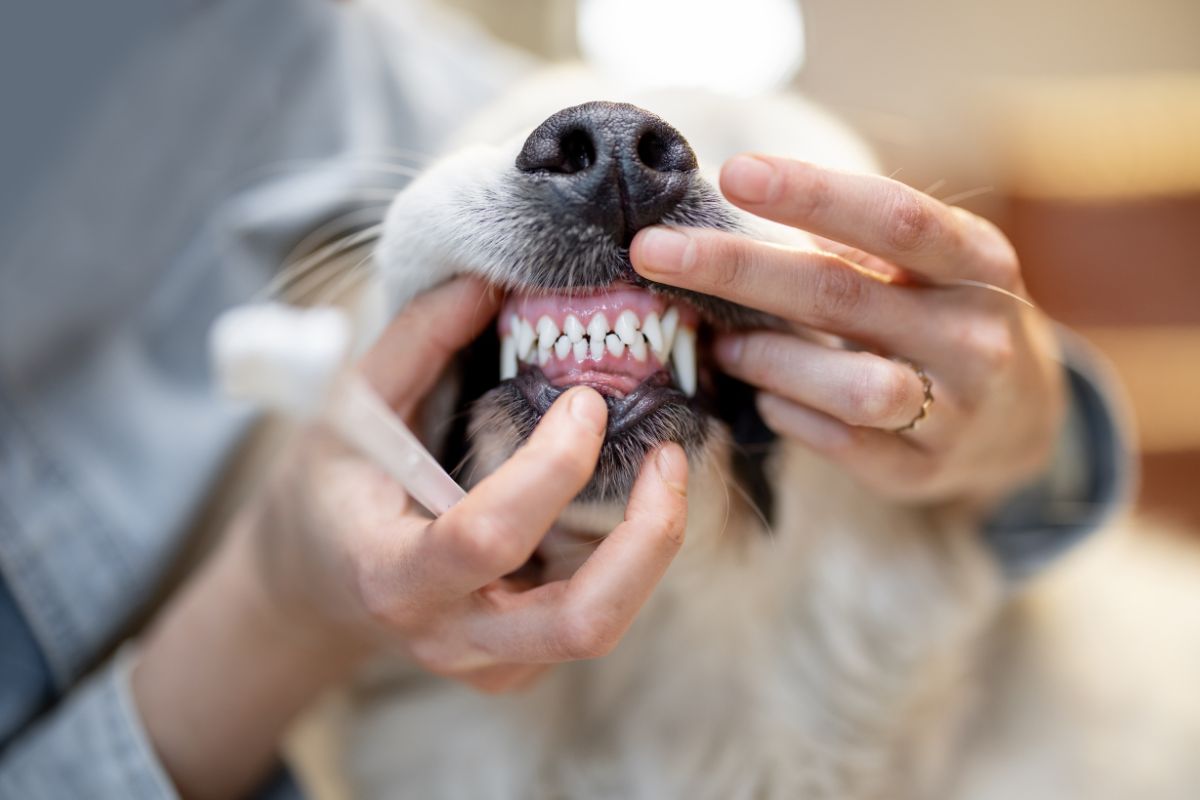
Brushing your dog’s teeth is one of the most effective ways to prevent plaque buildup. Use a toothbrush and toothpaste specifically designed for dogs, as human toothpaste can be harmful to pets.
Introducing brushing early in your dog’s life can make it easier to maintain this habit.
Offer Dental Chews and Toys
Dental chews and specially designed chew toys can help reduce plaque and tartar while encouraging healthy chewing behavior. These products also help freshen your dog’s breath and support oral hygiene.
Schedule Regular Veterinary Checkups
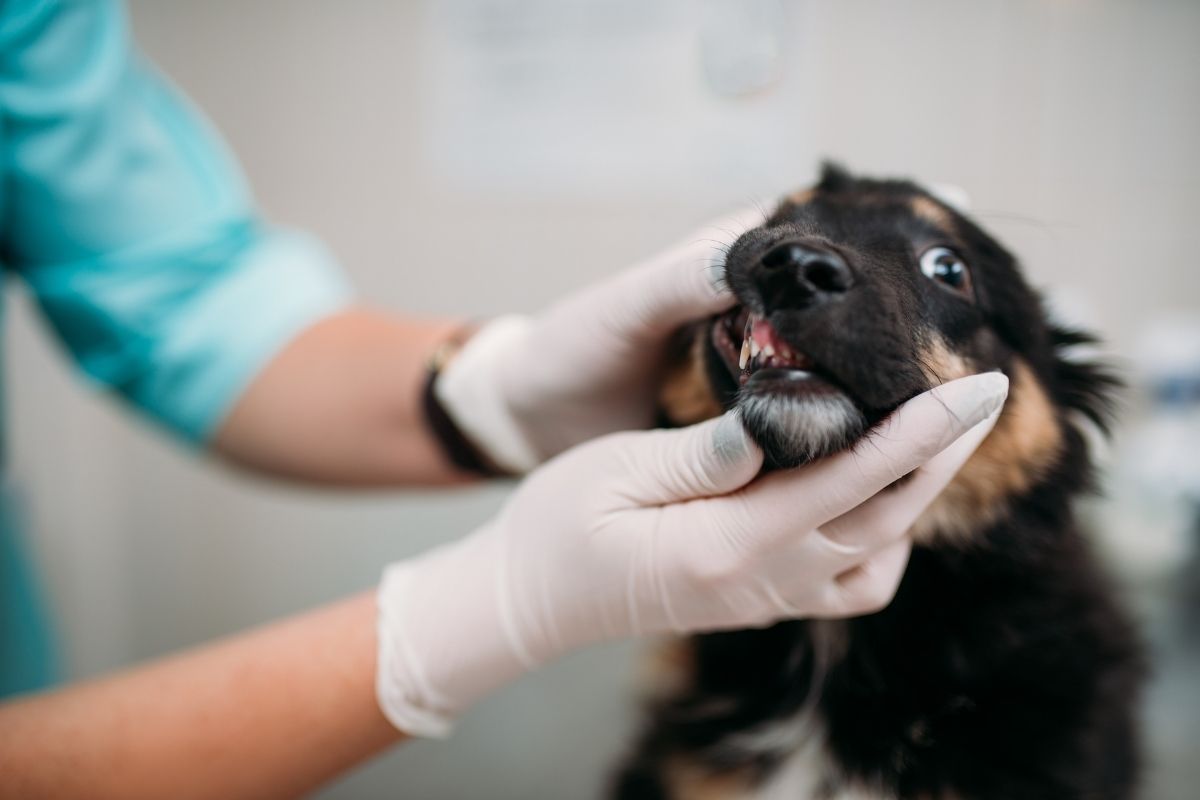
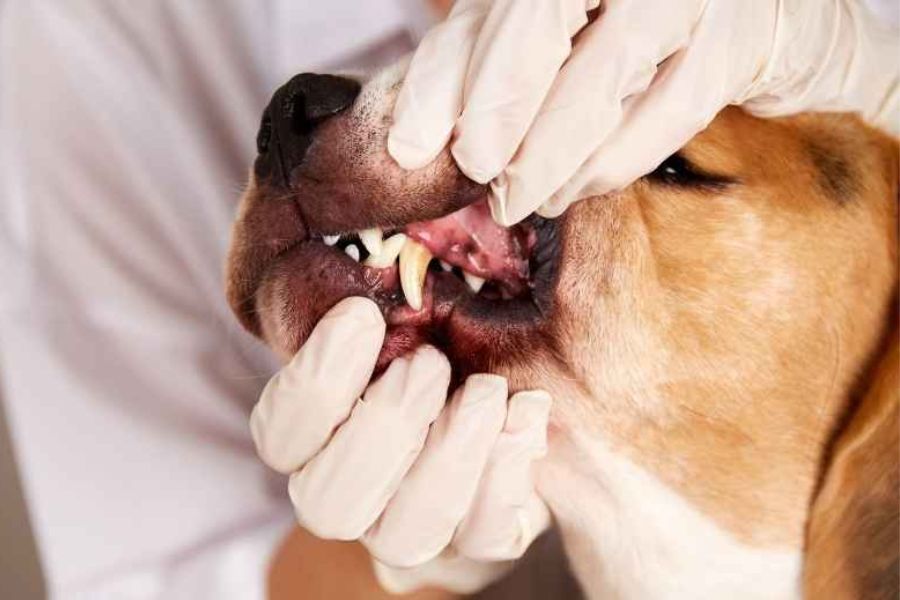
Routine veterinary exams are important for detecting dental problems early. During checkups, your veterinarian can assess your dog’s oral health and recommend treatments if necessary.
Professional dental cleanings can remove plaque and tartar that brushing alone cannot eliminate.
Choose a Dental-Friendly Diet
High-quality dog food formulated for dental health can help reduce plaque buildup. Your veterinarian may also recommend dental diets or supplements designed to support oral hygiene.
Limiting sugary treats and table scraps can also help protect your dog’s teeth.
Consider Professional Dental Cleanings
If your dog’s bad breath persists despite regular brushing and home care, a professional dental cleaning may be necessary. Veterinary dental procedures thoroughly remove plaque and tartar and help restore healthy gums.
When to See a Veterinarian
While bad breath is often related to dental hygiene, it can sometimes indicate more serious health problems. You should consult your veterinarian if your dog experiences:
- Persistent foul breath
- Swollen or bleeding gums
- Excessive drooling
- Difficulty eating or chewing
- Loss of appetite
- Weight loss
- Vomiting or diarrhea
Early evaluation can help identify the underlying cause and prevent complications.
Supporting Your Dog’s Long-Term Oral Health
Many dogs develop bad breath at some point in their lives, but consistent dental care can make a significant difference. Regular brushing, dental chews, professional cleanings, and routine veterinary exams can help maintain healthy teeth and fresh breath.
The veterinary team at Fallston Veterinary Clinic is dedicated to helping pets maintain healthy smiles through preventive dental care and professional treatments. If your dog has persistent bad breath or signs of dental discomfort, scheduling a dental evaluation can help protect their overall health and comfort.
Frequently Asked Questions
1. What causes bad breath in dogs?
Bad breath is most commonly caused by plaque buildup and gum disease, but it may also result from infections, tooth decay, or other health conditions.
2. How often should I brush my dog’s teeth?
Brushing your dog’s teeth several times per week is recommended, although daily brushing provides the best protection against plaque and tartar buildup.
3. Are dental chews effective for improving dog breath?
Yes. Dental chews can help reduce plaque and tartar while supporting healthier teeth and gums.
4. Can bad breath indicate a serious health problem?
In some cases, persistent bad breath may signal conditions such as kidney disease, infections, or oral tumors.
5. When should my dog get professional dental cleaning?
Your veterinarian will recommend professional dental cleaning based on your dog’s age, breed, and dental health.