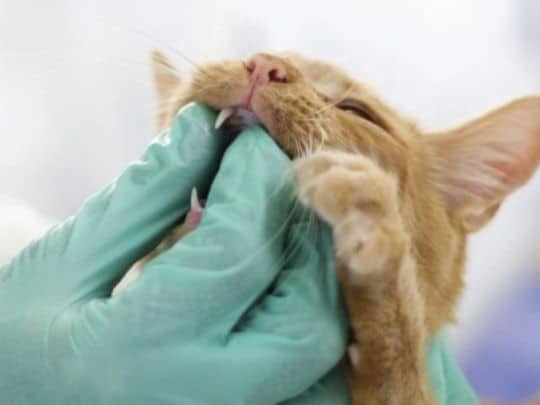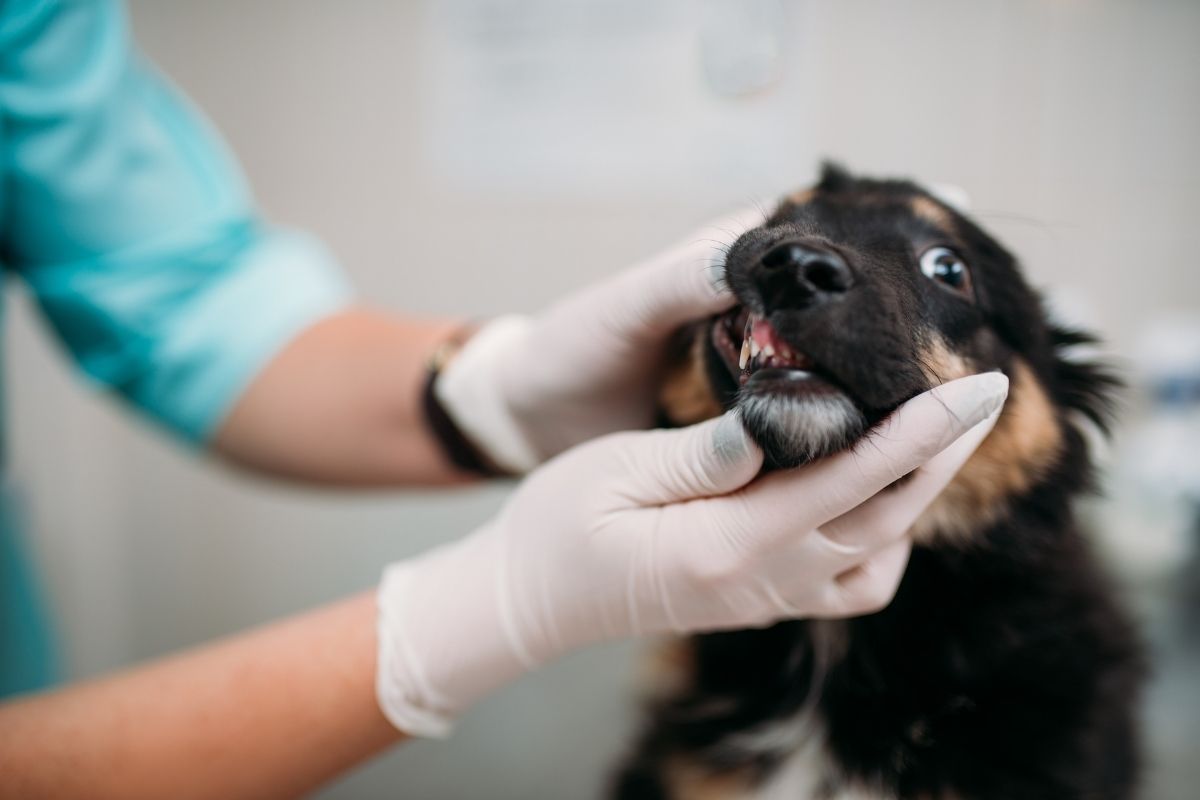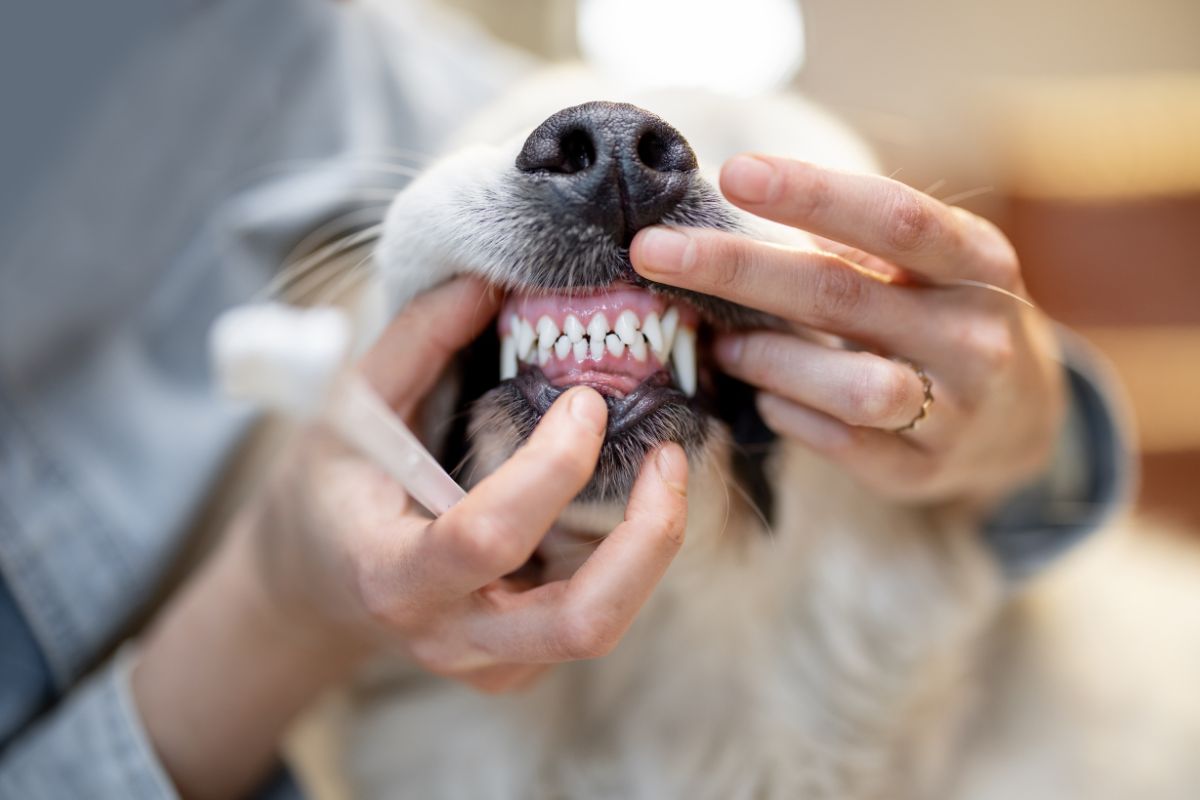
Your pet can’t tell you when their teeth hurt, but their behavior and physical changes can. Recognizing the signs your dog or cat needs a dental checkup early can prevent painful infections, tooth loss, and costly treatments.
In this guide, we’ll walk through common warning signs of dental problems, what to expect during a pet dental exam, and when to schedule a visit with a trusted veterinarian near you.
Why Pet Dental Health Matters
Dental disease is one of the most common health problems in dogs and cats. By age three, nearly 70–80% of pets show some form of periodontal disease.
When plaque builds up on teeth, it hardens into tartar. Over time, this leads to gum inflammation, infection, and even damage to internal organs if bacteria enter the bloodstream.
Routine dental exams help:
- Prevent tooth decay and gum disease
- Catch oral tumors early
- Reduce bad breath
- Improve appetite and overall comfort
- Extend your pet’s lifespan
For pet owners in Fallston and nearby areas like Bel Air, Forest Hill, and Baldwin, staying proactive about your pet’s dental care can make a significant difference in your pet’s long-term health.
1. Persistent Bad Breath
A little “dog breath” is normal. Strong, foul, or metallic-smelling breath is not.
If your pet’s breath suddenly smells worse than usual, it may indicate:
- Gum infection
- Tooth decay
- Bacterial buildup
- Abscessed teeth
Bad breath is often one of the earliest signs your dog or cat needs a dental checkup. Don’t ignore it; it rarely improves on its own.
2. Red, Swollen, or Bleeding Gums
Healthy gums should be pink and firm.
If you notice:
- Redness along the gum line
- Swelling
- Bleeding during chewing or brushing
- Receding gums
These are classic symptoms of periodontal disease. Left untreated, it can lead to tooth loss and significant pain.
Cats, in particular, may hide gum discomfort until the condition becomes severe, so visual checks at home are important.
3. Difficulty Eating or Chewing
Has your pet suddenly started:
- Dropping food
- Chewing on one side only
- Avoiding hard kibble
- Taking longer to finish meals
Painful teeth or inflamed gums often cause these behavioral changes. Some pets may even act hungry but hesitate when approaching food.
This is a strong indicator that a dental exam is needed right away.
4. Pawing at the Mouth or Face
If your dog or cat repeatedly paws at their mouth, rubs their face against furniture, or seems restless, it could signal oral discomfort.
Other related signs include:
- Excessive drooling
- Blood in saliva
- Sensitivity when touching the face
These symptoms may point to an infected tooth or oral injury that requires immediate veterinary attention.
5. Yellow or Brown Tartar Buildup
Visible tartar along the gumline is a clear sign that plaque has hardened.
While mild buildup can be managed with professional cleaning, advanced tartar often means bacteria have already begun affecting the gums.
If you can see thick brown deposits, your pet likely needs more than just brushing at home.
6. Loose or Missing Teeth
Adult pets should not lose teeth without cause.
Loose teeth, shifting teeth, or missing teeth often indicate advanced dental disease. This stage can be painful and may require extractions.
Early dental exams help prevent reaching this point.
7. Behavioral Changes
Dental pain doesn’t always show up in the mouth first.
Watch for:
- Irritability
- Decreased activity
- Withdrawal
- Reluctance to play
Some household pets become less social simply because chewing toys or eating causes discomfort. Subtle mood changes can be a hidden sign of oral pain.
8. Facial Swelling or Nasal Discharge
Swelling under the eye or around the jaw may indicate a tooth root abscess.
In some cases, upper tooth infections can even cause nasal discharge or sneezing. These are urgent signs your dog or cat needs a dental checkup and possibly treatment right away.
How Often Should Pets Have Dental Checkups?
Most veterinarians recommend:
- Annual dental exams for adult pets
- More frequent monitoring for senior pets
- Earlier evaluations for small breeds prone to dental disease
Breeds like Dachshunds, Chihuahuas, and Yorkshire Terriers are especially prone to dental issues. Cats with flat faces, like Persians, may also need closer monitoring.
Regular checkups allow your veterinarian to detect problems before they become severe.
What Happens During a Pet Dental Checkup?
A professional dental exam typically includes:
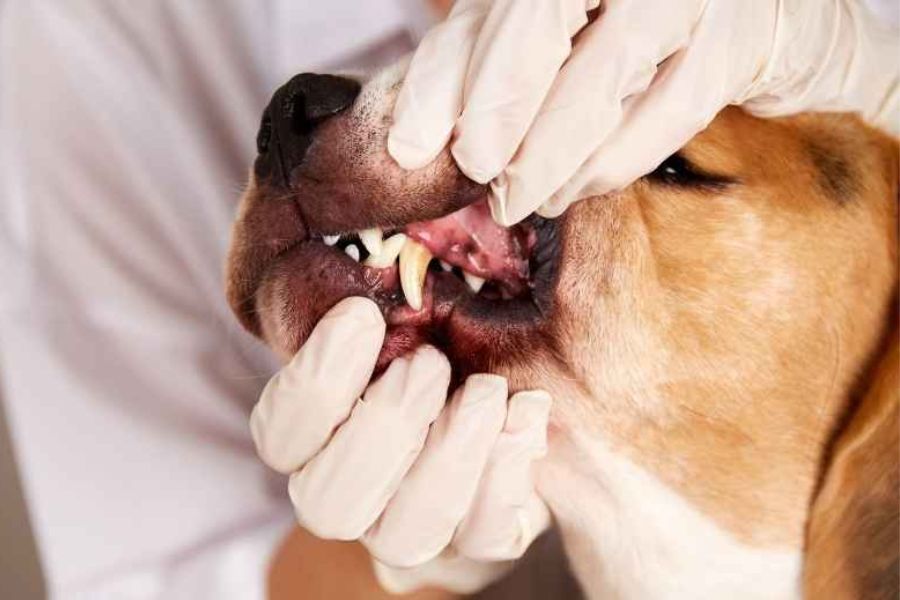
- Oral inspection of teeth and gums
- Checking for loose teeth or lesions
- Dental X-rays (if needed)
- Professional cleaning under anesthesia
- Scaling and polishing
Anesthesia allows for thorough cleaning beneath the gumline, where most disease develops.
At Fallston Veterinary Clinic, pets receive individualized care plans tailored to their dental health and overall condition.
How to Support Dental Health at Home
Between veterinary visits, you can reduce the risk of dental disease by:
- Brushing your pet’s teeth 2–3 times per week
- Using veterinarian-approved dental chews
- Feeding dental-support diets
- Scheduling routine wellness exams
- Monitoring for early warning signs
Consistency is key. Even small efforts at home can significantly slow plaque buildup.
Conclusion
Recognizing the signs your dog or cat needs a dental checkup can protect your pet from unnecessary pain and serious health complications. Bad breath, swollen gums, difficulty eating, and behavioral changes are all red flags that shouldn’t be ignored.
Routine dental exams and professional cleanings help prevent periodontal disease, tooth loss, and systemic infections.
If you’re in Fallston and notice any of these symptoms, schedule a dental checkup today and give your pet the healthy smile they deserve. Book an appointment at Fallston Veterinary Clinic today and keep your furry family member feeling their best.
FAQs
Q1: How do I know if my dog needs a dental cleaning?
If your dog has bad breath, visible tartar, red gums, or difficulty chewing, these are signs your dog needs a dental checkup and possibly a professional cleaning.
Q2: Are dental cleanings safe for cats and dogs?
Yes. Professional dental cleanings performed under veterinary supervision are generally safe and help prevent serious oral disease.
Q3: How often should my pet have a dental exam?
Most pets should have a dental exam once a year, though seniors and small breeds may need more frequent visits.
Q4: Can dental disease affect my pet’s overall health?
Yes. Untreated dental infections can spread bacteria to the heart, liver, and kidneys, causing more serious health issues.
Q5: What happens if dental disease is left untreated?
It can lead to tooth loss, chronic pain, abscesses, and systemic infections. Early dental checkups prevent these complications.