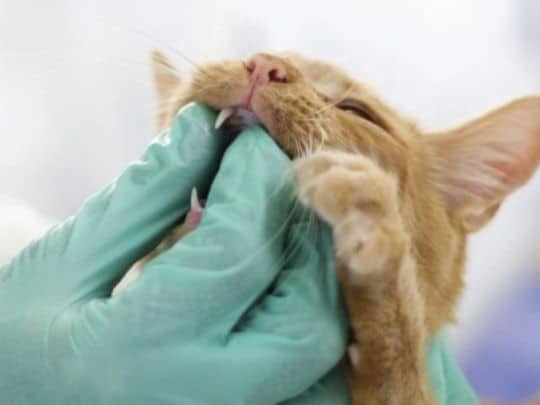
Good dental health is an important part of your pet’s overall well-being. Without regular oral care, plaque and tartar can gradually build up around the teeth and gums, creating an environment where bacteria can thrive. Over time, this can lead to periodontal disease, one of the most frequently diagnosed health conditions in pets.
Understanding how periodontal disease develops can help pet owners recognize early warning signs and take action before the condition progresses. With appropriate pet dental care, regular examinations, professional cleanings, and consistent home care, many dental problems can be managed or prevented.
What Is Pet Periodontal Disease?
Periodontal disease is an infection and inflammation affecting the tissues that support a pet’s teeth. It generally begins when plaque, a sticky film containing bacteria, accumulates on the teeth. If plaque is not removed, it can harden into tartar, which provides an even stronger surface for bacteria to collect.
At first, the disease may affect only the gums. As it progresses, however, inflammation can extend beneath the gumline and affect the structures supporting the teeth. Advanced periodontal disease can contribute to tooth damage, loose teeth, discomfort, and tooth loss.
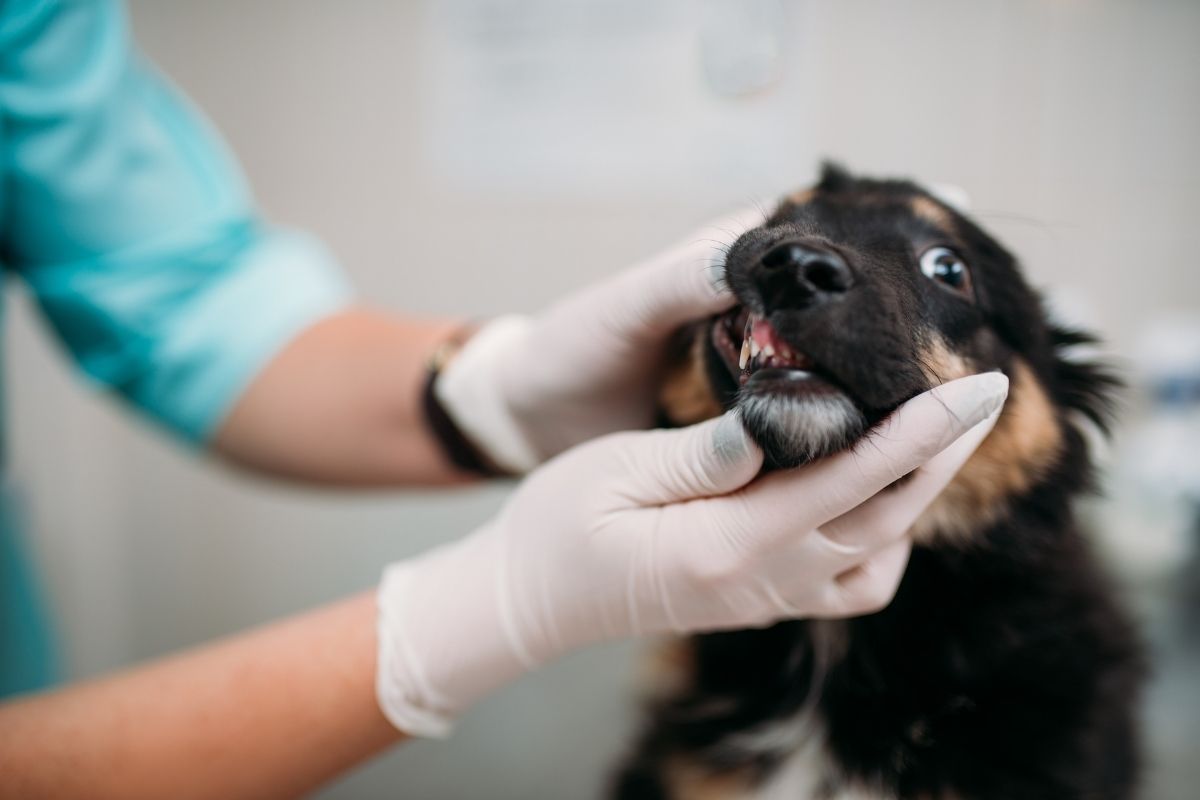
For pet owners in Fallston, regular dental examinations with a veterinarian can help identify changes before they become more advanced.
What Causes Periodontal Disease in Pets?
Several factors can contribute to the development of periodontal disease. Poor oral hygiene is one of the most common causes because plaque can accumulate when teeth are not regularly cleaned.
Other contributing factors may include:
- Tartar buildup on the teeth
- Bacteria accumulating along the gumline
- Inadequate home dental care
- Crowded or misaligned teeth
- Age-related changes
- Individual differences in oral health
- Lack of professional dental examinations
Some pets may also hide signs of oral discomfort, making regular dental evaluations particularly important. A pet may continue eating normally even when dental disease is developing beneath the gumline.
Stage 1: Plaque and Early Gum Inflammation
The earliest stage begins with plaque accumulation. When bacteria remain on the surface of the teeth, the gums may become mildly inflamed.
This stage is sometimes called gingivitis. You may notice slightly red gums or mild bad breath, although some pets may show no obvious signs.
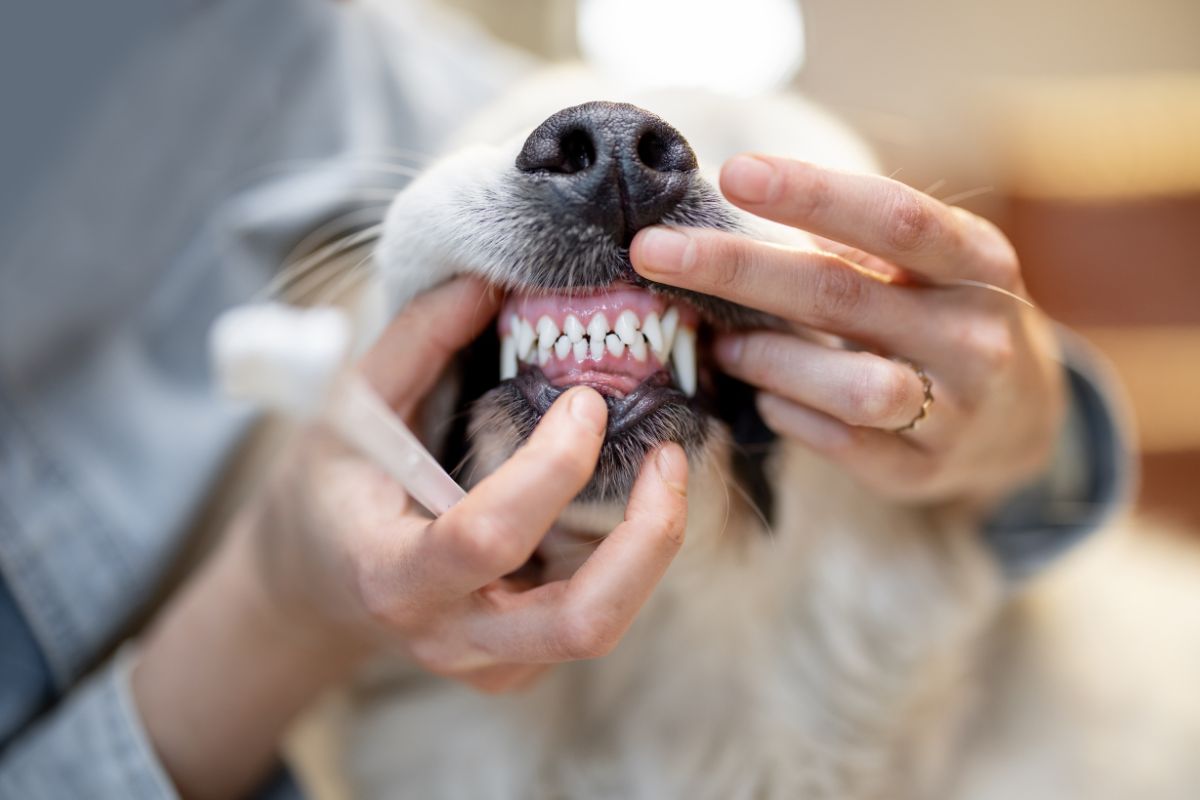
At this point, professional guidance and consistent home dental care can help prevent the condition from progressing. Regular brushing with products designed specifically for pets can help reduce plaque accumulation.
Stage 2: Tartar and Developing Periodontal Disease
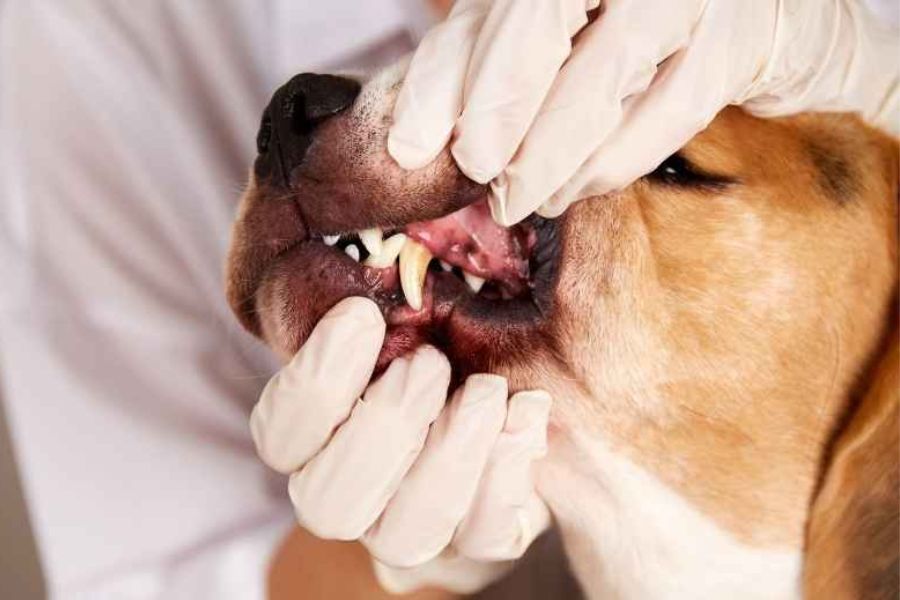
If plaque remains on the teeth, it can harden into tartar. Tartar is more difficult to remove through routine brushing and can encourage additional bacterial buildup.
As inflammation continues, the gum tissue may become increasingly irritated. Signs can include bad breath, red or swollen gums, excessive drooling, difficulty chewing, or sensitivity around the mouth.
This is an important stage for veterinary evaluation. A veterinary hospital near you can assess your pet’s oral health and determine whether professional dental treatment is appropriate.
Stage 3: Damage Below the Gumline
As periodontal disease advances, bacteria and inflammation can move below the gumline. This is where the condition can become more difficult to identify without a thorough dental examination.
The tissues and structures supporting the teeth may begin to deteriorate. Pets may develop loose teeth, chew differently, favor one side of the mouth, or paw at their face.
Dental radiographs can be particularly useful at this stage because problems below the gumline may not be visible during a routine visual inspection. Digital dental X-rays allow veterinarians to evaluate the health of the teeth and surrounding structures more thoroughly.
Stage 4: Advanced Periodontal Disease
In advanced cases, significant damage may occur to the tissues and bone supporting the teeth. Teeth can become loose or may need to be removed when they can no longer be adequately supported.
Pets with advanced dental disease may have persistent bad breath, difficulty chewing, excessive drooling, or noticeable changes in eating habits. Because periodontal disease can progress gradually, waiting until obvious symptoms appear may allow the condition to become more difficult to manage.
Regular pet dentistry evaluations can help identify developing problems earlier and support appropriate treatment.
How Is Periodontal Disease Treated?
Treatment depends on the severity of the dental disease. A veterinarian will first evaluate the pet’s mouth and determine whether additional diagnostic procedures are needed.
Professional dental cleanings can remove tartar and dental buildup that cannot be adequately addressed through regular brushing. At Fallston Veterinary Clinic, dental cleanings are performed under general anesthesia, allowing the veterinary team to safely examine and clean the teeth, including areas that are difficult to access while a pet is awake.
Digital dental radiology may also be recommended to evaluate the health of the entire tooth and identify issues beneath the gumline.
Depending on the findings, treatment may include cleaning, monitoring, or other dental procedures recommended by the veterinarian.
How Can Pet Owners Prevent Periodontal Disease?
Consistent home care is an important part of maintaining your pet’s oral health. Ideally, dental hygiene should begin early so pets can gradually become comfortable with the process.
Helpful strategies include:
- Brushing your pet’s teeth regularly with pet-specific products
- Providing veterinarian-recommended dental products
- Monitoring for tartar buildup and gum changes
- Paying attention to bad breath or changes in chewing
- Scheduling regular dental examinations
- Following professional recommendations for dental cleanings
Never use human dental products on pets unless specifically directed by a veterinarian. Pets have different dental needs, and some human products may not be appropriate for them.
When Should Your Pet Have a Dental Examination?
A dental examination is appropriate whenever you notice signs such as persistent bad breath, tartar, red or bleeding gums, excessive drooling, difficulty chewing, loose teeth, or pawing at the mouth.
Even when your pet appears comfortable, routine dental examinations can help identify problems that may not be obvious at home. Fallston Veterinary Clinic notes that dental examinations are included as part of its regular examinations and recommends yearly dental evaluations.
For pet owners looking for reliable pet dental care in Fallston, understanding the early signs and stages of periodontal disease can make it easier to protect their pet’s oral health.
Protect Your Pet’s Dental Health
Periodontal disease can develop gradually, beginning with plaque and progressing to tartar, gum inflammation, damage beneath the gumline, and potentially tooth loss. Recognizing the stages of dental disease and maintaining consistent home care can help support healthier teeth and gums.
If your pet is showing signs of dental disease or it has been some time since their last oral examination, schedule an appointment with our veterinary clinic. The team at Fallston Veterinary Clinic provides dental examinations, digital dental radiology, professional dental cleanings, and guidance for maintaining your pet’s oral health at home.
FAQs
1. What is the first sign of periodontal disease in pets?
Ans: Bad breath, plaque buildup, and mildly red or inflamed gums can be early signs. However, some pets show few noticeable symptoms, which is why regular dental examinations are important.
2. Can periodontal disease be reversed?
Ans: Early gum inflammation may improve with appropriate dental care. Once periodontal disease has caused damage to the tissues supporting the teeth, however, professional treatment may be necessary to manage the condition.
3. Can brushing prevent periodontal disease?
Ans: Regular brushing can help reduce plaque accumulation and support better oral hygiene. It should be performed with products specifically designed for pets and as part of a broader dental care routine.
4. Why are dental X-rays important for pets?
Ans: Many dental problems occur below the gumline and cannot be identified through a visual examination alone. Dental radiographs can help veterinarians evaluate the health of the teeth and surrounding structures.
5. How often should my pet have a dental examination?
Ans: Your veterinarian can recommend an appropriate schedule based on your pet’s age, oral health, and individual needs. Routine dental evaluations can help identify developing problems before they become more advanced.
6. What should I do if my pet has bad breath?
Ans: Persistent bad breath should not simply be considered a normal part of pet ownership. It can be associated with plaque, tartar, or dental disease. Schedule a dental examination so a veterinarian can evaluate your pet’s mouth.