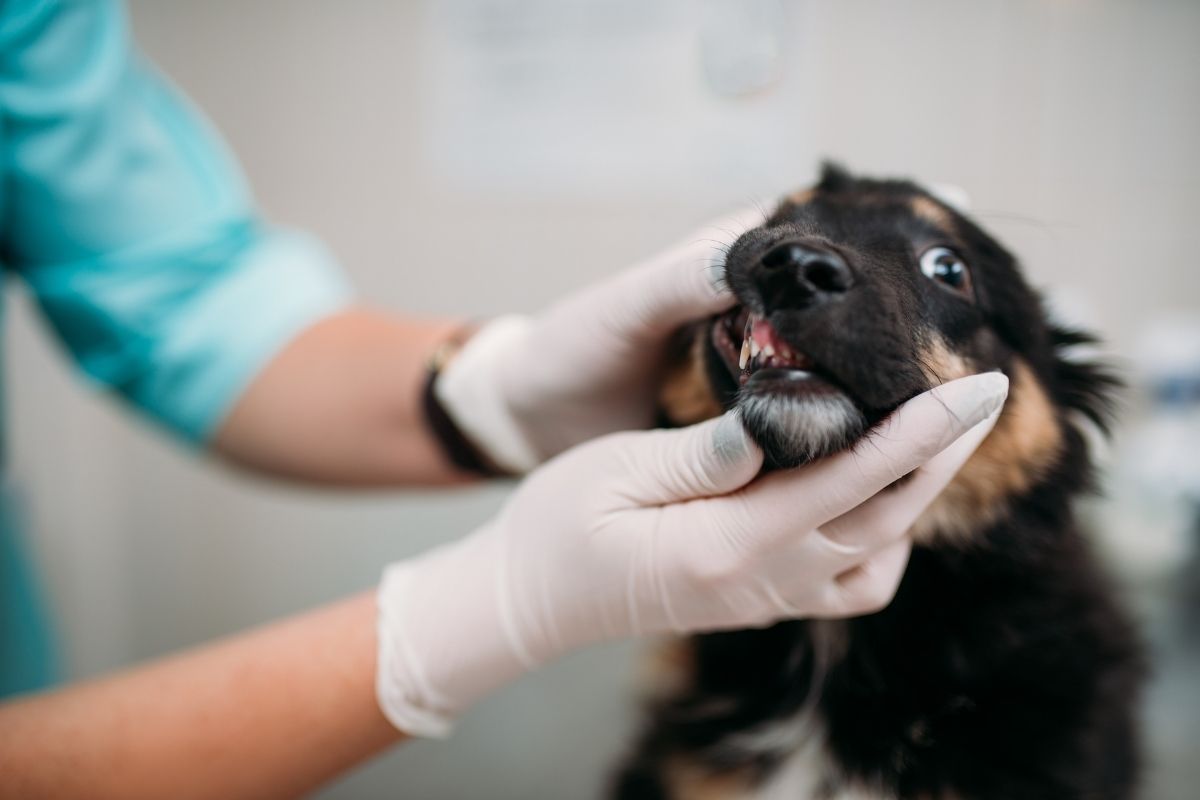
Dogs are known for their playful energy and hearty appetites, but when dental pain strikes, even the most active pet can become withdrawn and uncomfortable. Unfortunately, tooth pain in dogs often goes unnoticed because they instinctively hide discomfort. Recognizing the early warning signs is essential to protecting your pet’s health and preventing more serious complications.
At Fallston Veterinary Clinic, pet owners in Fallston are encouraged to stay proactive about their dog’s dental health, as early detection can make a significant difference in treatment and recovery.
Why Dental Health Matters for Dogs
Dental health is a critical part of your dog’s overall well-being. Problems like plaque buildup, gum disease, and tooth infections can lead to pain, difficulty eating, and even systemic health issues affecting the heart, liver, and kidneys.
Routine dental care and awareness of early symptoms can help prevent these conditions from progressing into serious health concerns.
Common Early Signs of Tooth Pain in Dogs
Dogs rarely show obvious signs of pain, so it’s important to look for subtle changes in their behavior and habits.
1. Bad Breath That Doesn’t Go Away
While mild dog breath is normal, persistent foul odor can indicate dental disease or infection. This is often one of the first signs of tooth decay or gum issues.
2. Difficulty Eating or Loss of Appetite
If your dog suddenly avoids food, chews slowly, or drops food while eating, it could be due to tooth pain. Some dogs may even favor one side of their mouth.
3. Excessive Drooling
Unusual drooling, especially if it’s thicker or has traces of blood, may signal oral discomfort or infection.
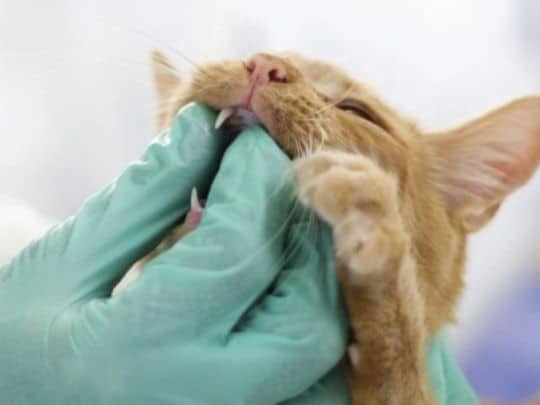
4. Pawing at the Mouth or Face
Dogs experiencing dental pain may frequently paw at their mouth or rub their face against furniture or the floor in an attempt to relieve discomfort.
5. Swollen or Bleeding Gums
Healthy gums should be pink and firm. Redness, swelling, or bleeding are clear signs of gum disease and should not be ignored.
6. Behavioral Changes
A normally friendly dog may become irritable, withdrawn, or less interested in play due to ongoing pain.
7. Loose or Missing Teeth
Adult dogs should not lose teeth. Loose or missing teeth often indicate advanced dental disease and require immediate attention.
Causes of Tooth Pain in Dogs
Understanding the root causes of dental pain can help you take preventive steps.
Common causes include:
- Plaque and tartar buildup
- Periodontal (gum) disease
- Broken or fractured teeth
- Oral infections or abscesses
- Chewing on hard objects
Without proper care, these issues can worsen over time, leading to chronic pain and costly treatments.
The Importance of Regular Dental Checkups
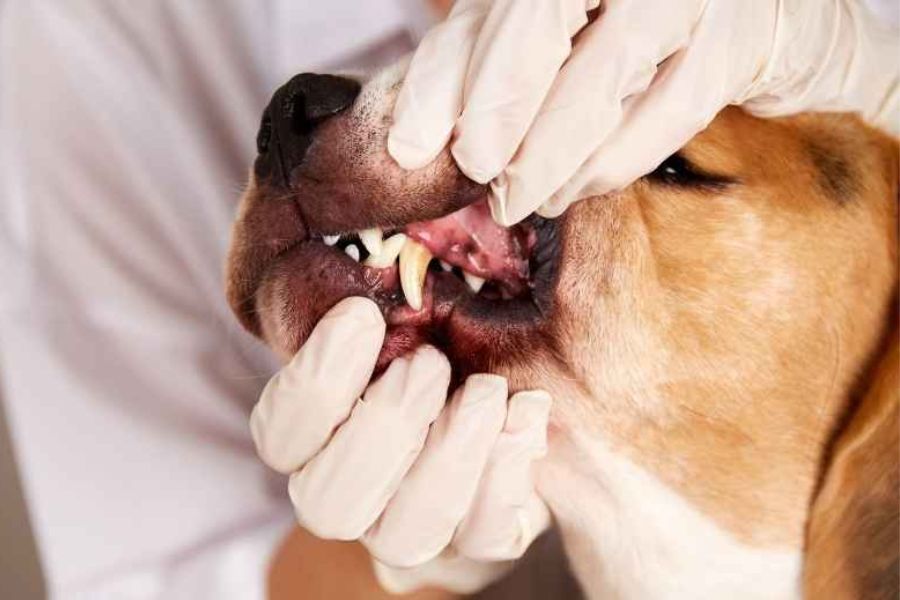
Routine dental exams are essential for identifying problems before they become severe. During a checkup, a veterinarian will examine your dog’s teeth, gums, and overall oral health.
Professional cleanings can remove plaque and tartar that brushing alone cannot address. Regular visits also allow your vet to detect hidden issues, such as infections below the gumline.
At-Home Dental Care Tips
Maintaining your dog’s oral health doesn’t stop at the clinic. Consistent at-home care plays a major role in preventing dental problems.
Here are some helpful tips:
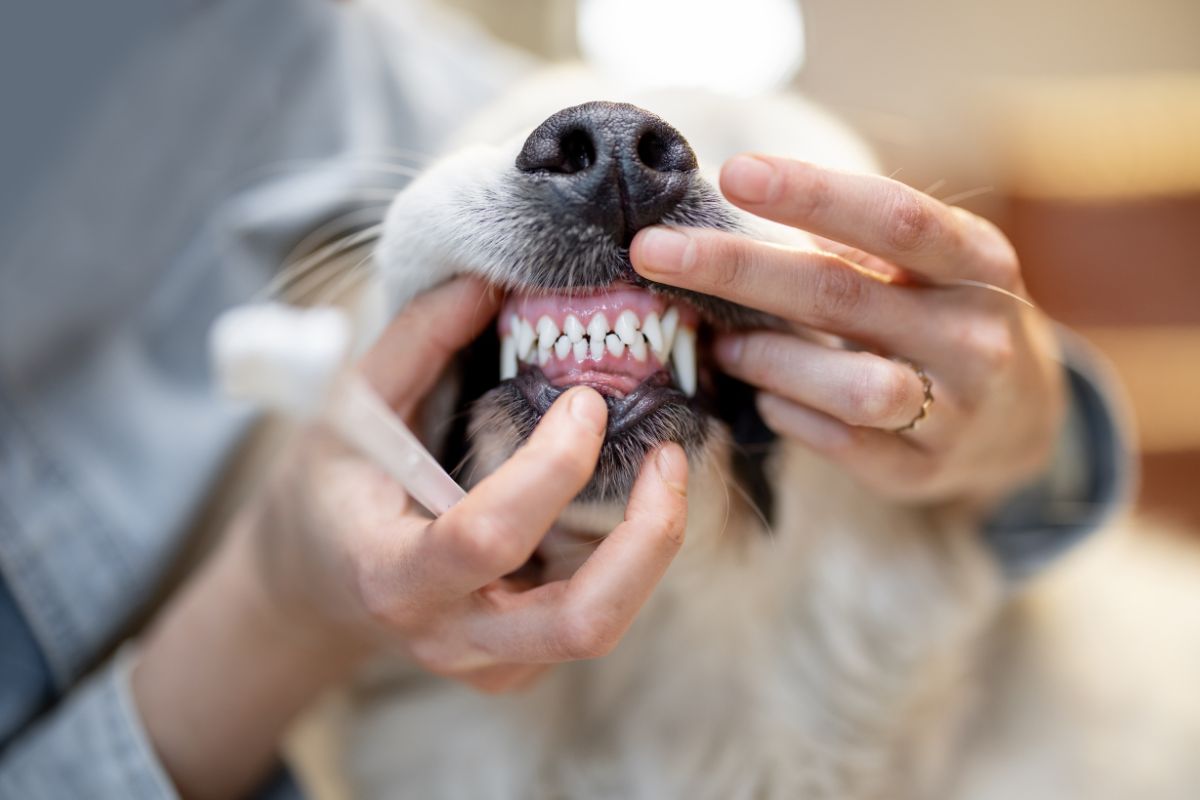
- Brush your dog’s teeth regularly using pet-safe toothpaste
- Provide dental chews or toys designed to reduce plaque
- Avoid giving overly hard items that can damage teeth
- Monitor your dog’s mouth for any unusual changes
A combination of home care and professional checkups ensures optimal dental health.
When to See a Veterinarian
If you notice any signs of tooth pain, it’s important not to delay. Dental issues can quickly worsen and lead to serious health complications.
Early intervention can:
- Relieve pain and discomfort
- Prevent infection from spreading
- Save damaged teeth
- Reduce the need for extensive procedures
If your dog shows any of the symptoms mentioned above, it’s best to schedule an appointment today and have their oral health evaluated.
Long-Term Benefits of Dental Care
Taking care of your dog’s teeth offers more than just a healthy smile. It contributes to their overall quality of life.
Benefits include:
- Improved appetite and nutrition
- Reduced risk of systemic diseases
- Better mood and energy levels
- Longer lifespan
By prioritizing dental health, you’re ensuring your dog remains happy, active, and pain-free.
FAQs
1. How can I tell if my dog has tooth pain?
Look for signs like bad breath, difficulty eating, drooling, swollen gums, or behavioral changes such as irritability or withdrawal.
2. How often should my dog have a dental checkup?
Most dogs should have a dental exam at least once a year, though some may require more frequent visits depending on their oral health.
3. Is bad breath always a sign of dental problems?
Persistent bad breath is often an early indicator of dental disease and should be evaluated by a veterinarian.
4. Can dental problems affect my dog’s overall health?
Yes, untreated dental issues can lead to infections that may impact vital organs such as the heart, liver, and kidneys.
5. What should I do if my dog refuses to eat?
A sudden loss of appetite can be linked to dental pain or other health issues. It’s important to consult a veterinarian promptly.
6. Are dental chews enough to keep my dog’s teeth healthy?
Dental chews can help reduce plaque, but they should be used alongside regular brushing and professional dental care for best results.