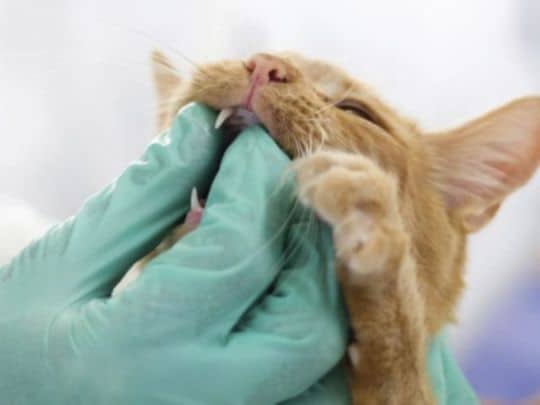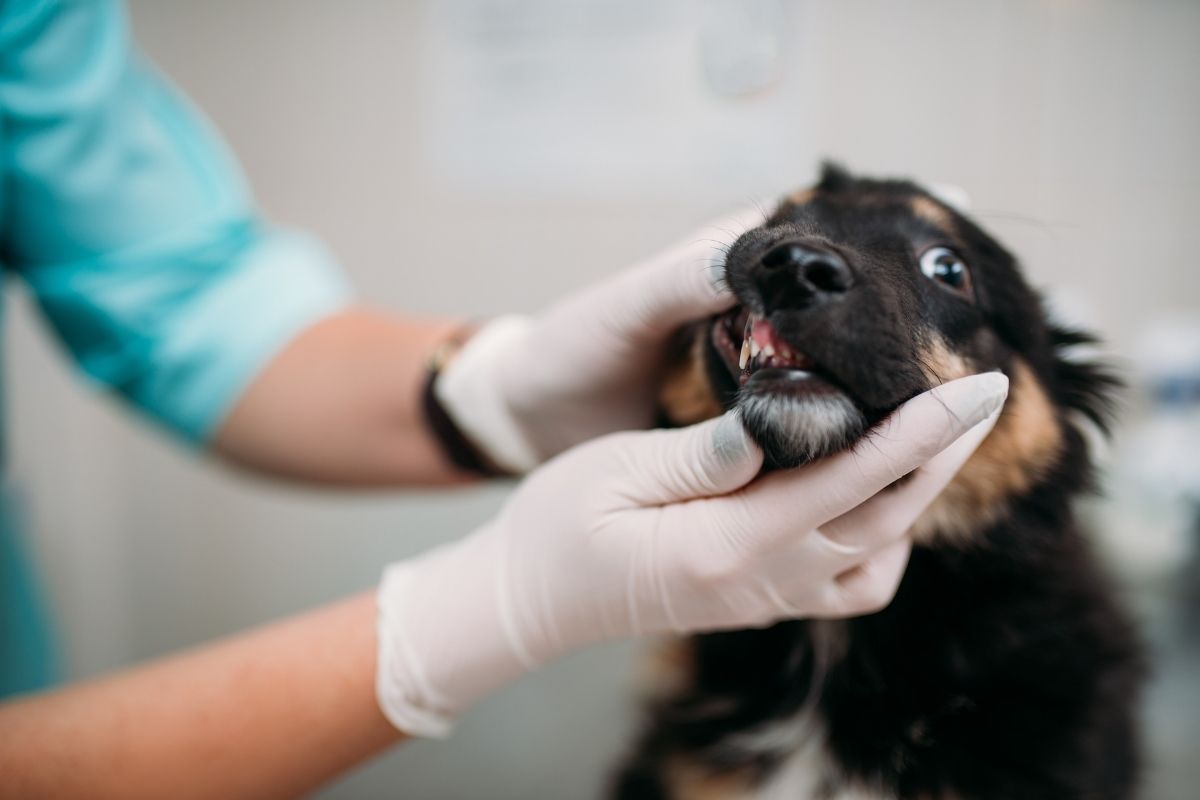
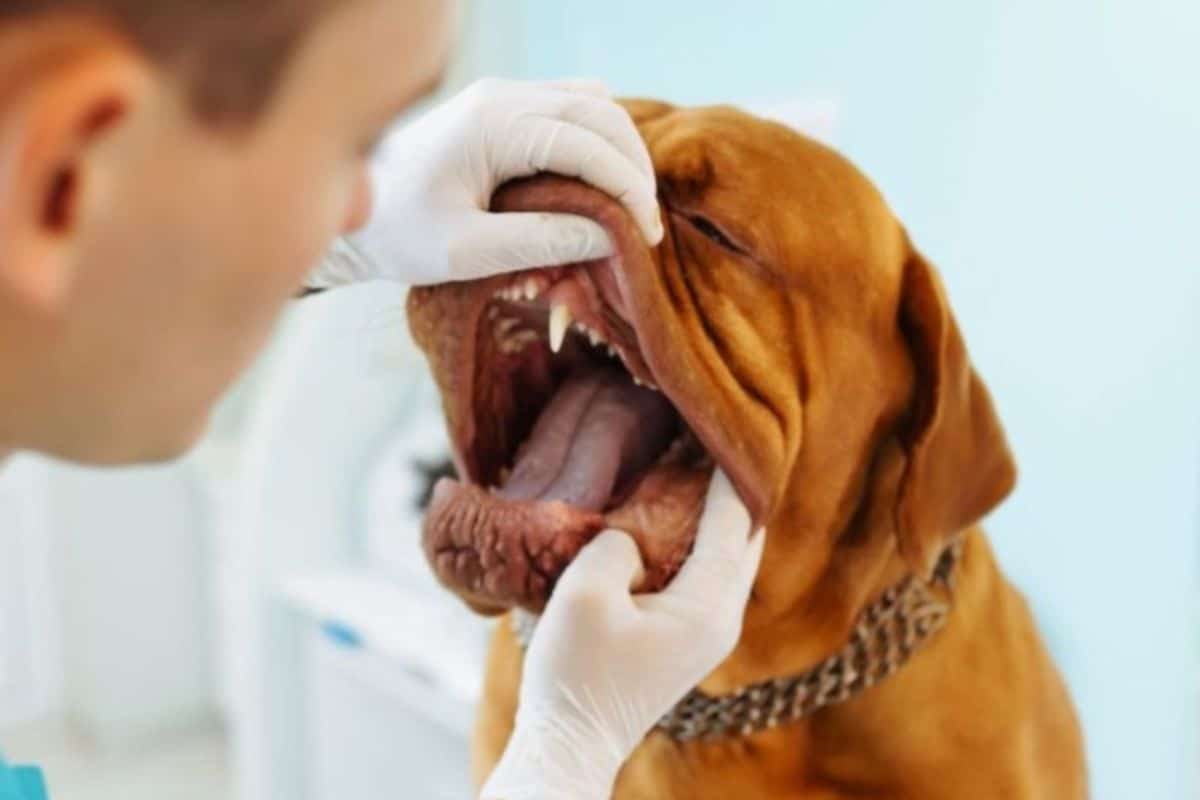
Many pets turn away, hide, or resist when a toothbrush appears. This reaction is common among dogs and cats. Toothbrushing feels unfamiliar and uncomfortable at first.
However, maintaining your pet’s oral health does not have to become a daily struggle. With patience, positive reinforcement, and the right approach, you can create a comfortable dental routine.
Fallston Veterinary Clinic provides guidance and care that helps pets maintain healthier smiles. Our team focuses on preventive dental support and practical solutions for pet owners. If you live in Fallston or nearby communities, this guide can help you understand your pet’s dental needs. Keep reading to learn how to make toothbrushing easier and more enjoyable.
Why Do Pets Dislike Toothbrushing?
Pets often dislike toothbrushing because they are not naturally comfortable with objects near their mouths. A toothbrush can feel strange, especially during the first few attempts.
Some pets may also have sensitive gums, existing dental discomfort, or previous negative experiences. These issues can make brushing feel stressful.
Understanding your pet’s reaction is the first step toward building trust. A slow introduction can help your pet accept dental care without fear.
Common Reasons Your Pet Resists Dental Care
Unfamiliar Sensations
A toothbrush introduces new textures and movements. Pets need time to understand that the process is safe. The feeling of brushing against teeth and gums can seem unusual. This is especially true for pets who have never received oral care.
Fear of Handling Around the Mouth
Many pets dislike having their face or mouth touched. They may pull away because they feel uncomfortable. Regular gentle handling can help your pet become more relaxed. Start with small interactions before introducing a toothbrush.
Existing Dental Problems
Some pets avoid brushing because their mouth already hurts. Dental problems can make contact around the teeth unpleasant.
Signs of oral discomfort may include:
- Dropping food while eating
- Bad breath
- Chewing on one side
- Excessive drooling
- Pawing at the mouth
- Reduced interest in food
If these signs appear, a veterinary evaluation can identify possible concerns.
How to Introduce Toothbrushing Without Stress
A successful dental routine begins with patience. Avoid forcing the process because it can increase anxiety.
Follow these gradual steps:
Step 1: Let Your Pet Explore the Tools
Allow your pet to smell and investigate the toothbrush. Reward calm behavior with praise or treats. This helps create a positive connection with dental supplies.
Step 2: Start With Gentle Mouth Touching
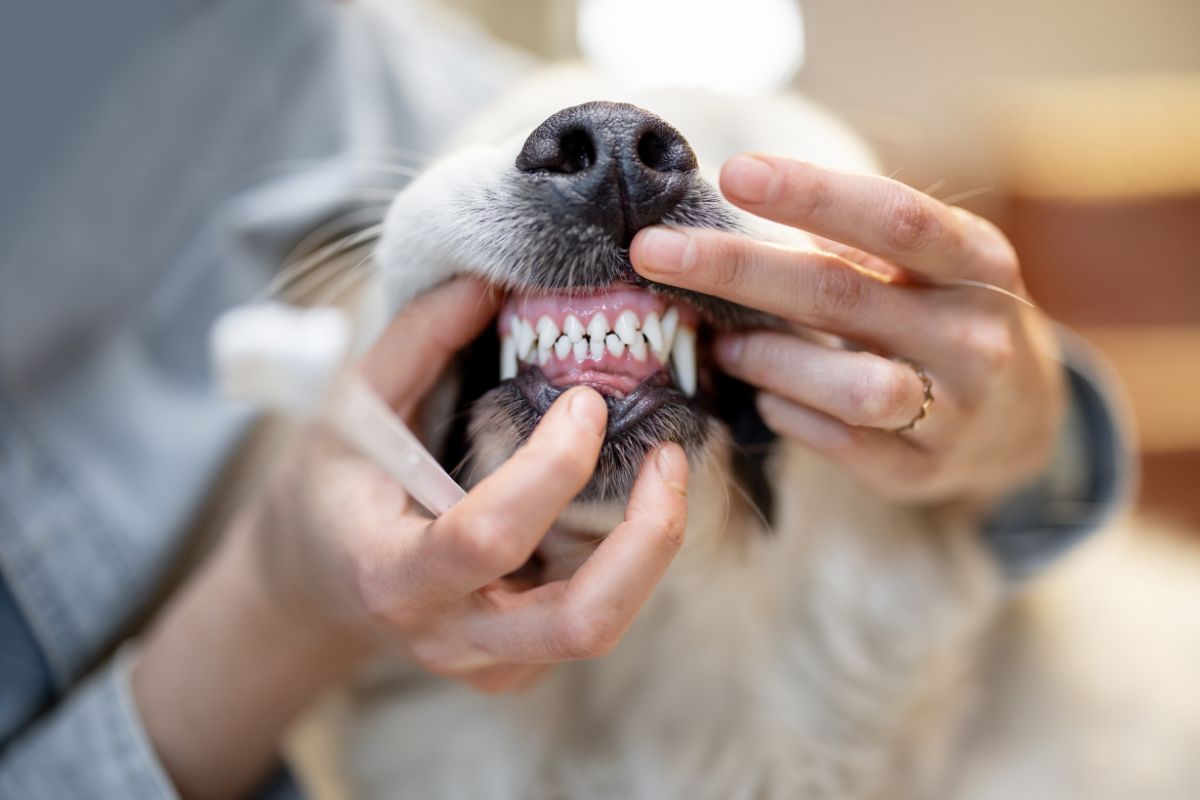
Before brushing, practice touching your pet’s lips and gums. Keep sessions short and comfortable. Reward your pet after each successful interaction. This builds confidence over time.
Step 3: Introduce Pet-Safe Toothpaste
Human toothpaste is not suitable for pets. Some ingredients can be harmful if swallowed. Use products designed specifically for animals. Let your pet taste a small amount before brushing.
Step 4: Brush Slowly
Begin with a few teeth before increasing the duration. Focus on making the experience positive. Short, consistent sessions are usually better than long stressful attempts.
Tips for Creating a Comfortable Dental Routine
Consistency matters more than perfection. A simple routine can support better oral hygiene throughout your pet’s life.
Consider these helpful tips:
- Choose a quiet time for brushing.
- Use gentle movements around the gums.
- Reward your pet after each session.
- Keep dental supplies in an accessible location.
- Stay patient during the learning process.
Your pet may not accept brushing immediately. Some animals require several weeks to adjust.
What Are the Benefits of Regular Dental Care for Pets?
Dental care helps remove buildup that can contribute to oral health problems. Regular attention supports cleaner teeth and healthier gums.
Preventive dental habits can also help detect changes early. Early attention may reduce discomfort and support overall wellness.
A complete dental routine may include:
- Regular toothbrushing
- Dental evaluations
- Professional cleanings when needed
- Oral health monitoring
- Veterinary recommendations
Professional veterinary dentistry focuses on preventing and treating oral conditions in pets. Dental evaluations may identify concerns that are difficult to notice at home.
How Can Pet Owners Maintain Dental Health at Home?
Building a routine requires choosing methods that match your pet’s comfort level. Some pets accept brushing quickly, while others need additional support.
Home dental care for pets involves regular oral hygiene practices that support your pet between veterinary visits. These habits can include brushing, monitoring changes, and following professional recommendations.
Our veterinarian can help you choose appropriate dental products. They can also suggest techniques based on your pet’s age and needs.
When Should You Schedule a Veterinary Dental Checkup?
Routine dental visits are important even when your pet appears healthy. Many oral problems develop without obvious signs.
A veterinary examination can check for:
- Gum inflammation
- Tooth damage
- Plaque buildup
- Oral infections
- Dental discomfort
Pets with advanced dental concerns may need professional treatment. A trusted veterinarian can recommend the appropriate next steps.
How Can You Make Dental Care Easier for Senior Pets?
Older pets may need extra patience during dental routines. Aging pets can experience changes in their teeth, gums, and comfort levels.
Senior pets may benefit from:
- More frequent dental monitoring
- Softer dental tools
- Gentle brushing techniques
- Professional evaluations
A comfortable routine helps protect their quality of life. Small adjustments can make dental care easier for older companions.
Mistakes to Avoid During Pet Toothbrushing
Many owners want to help their pets but may accidentally create stress. Avoiding common mistakes can improve the experience.
Avoid Forcing Your Pet
Holding your pet tightly can increase fear. Allow your pet to adjust gradually.
Avoid Using Human Dental Products
Human toothpaste and dental products may not be safe for animals. Always choose pet-specific options.
Avoid Ignoring Warning Signs
Changes in eating habits, breath odor, or behavior should not be overlooked. These signs may indicate dental concerns.
We Guide Pets Toward Better Oral Health
Helping your pet accept toothbrushing requires patience, understanding, and consistency. A stress-free approach can make dental care a positive experience.
Fallston Veterinary Clinic supports pet owners with professional dental guidance and preventive care solutions. Our team helps pets maintain healthier smiles through compassionate veterinary services.
If you are searching for reliable pet dental support in Fallston, book an appointment with our veterinary team. We are ready to help your pet receive comfortable and effective dental care.
Frequently Asked Questions
1. How Can Fallston Veterinary Clinic Help With My Pet’s Dental Care?
Ans: Fallston Veterinary Clinic helps pet owners in Fallston maintain their pet’s oral health through preventive dental guidance and professional evaluations. Our veterinary team can recommend suitable dental routines, identify possible concerns, and provide care based on your pet’s individual needs.
2. Where Can I Find Guidance for Home Dental Care for Pets in Fallston?
Ans: Pet owners seeking at-home dental care for their pets in Fallston can get assistance from Fallston Veterinary Clinic. Our team can help you understand proper brushing techniques, choose suitable dental products, and create a comfortable routine for your pet.
3. When Should I Visit Fallston Veterinary Clinic for My Pet’s Dental Concerns?
Ans: You should schedule a visit with Fallston Veterinary Clinic if your pet shows signs like bad breath, difficulty eating, dropping food, or changes in chewing habits. Early veterinary attention can help identify dental problems and support your pet’s overall wellness.
4. Are dental treats enough for my pet’s oral health?
Ans: Dental treats can support oral hygiene but may not replace brushing. Your veterinarian can recommend suitable dental options.
5. How do I know if my pet has dental problems?
Ans: Bad breath, chewing changes, drooling, and reduced appetite may indicate dental issues. A veterinary examination can identify the cause.
6. Can professional cleanings replace brushing at home?
Ans: Professional cleanings and home routines work together. Regular brushing helps maintain oral health between veterinary visits.
7. What age should pets start dental care?
Ans: Dental habits can begin when pets are young. Early introduction helps pets become comfortable with routine care.